Mediterranean Climate Summit held in Türkiye: Climate action, cooperation high on agenda
Local governments, academia, and civil society representatives gathered at the Mediterranean Climate Summit in Muğla to discuss climate action, urban resilience, and the Zero Waste vision. As preparations began for a joint MED Climate Declaration expected to contribute to Türkiye's COP31 Presidency process, a new action plan against the plastic waste crisis was announced.
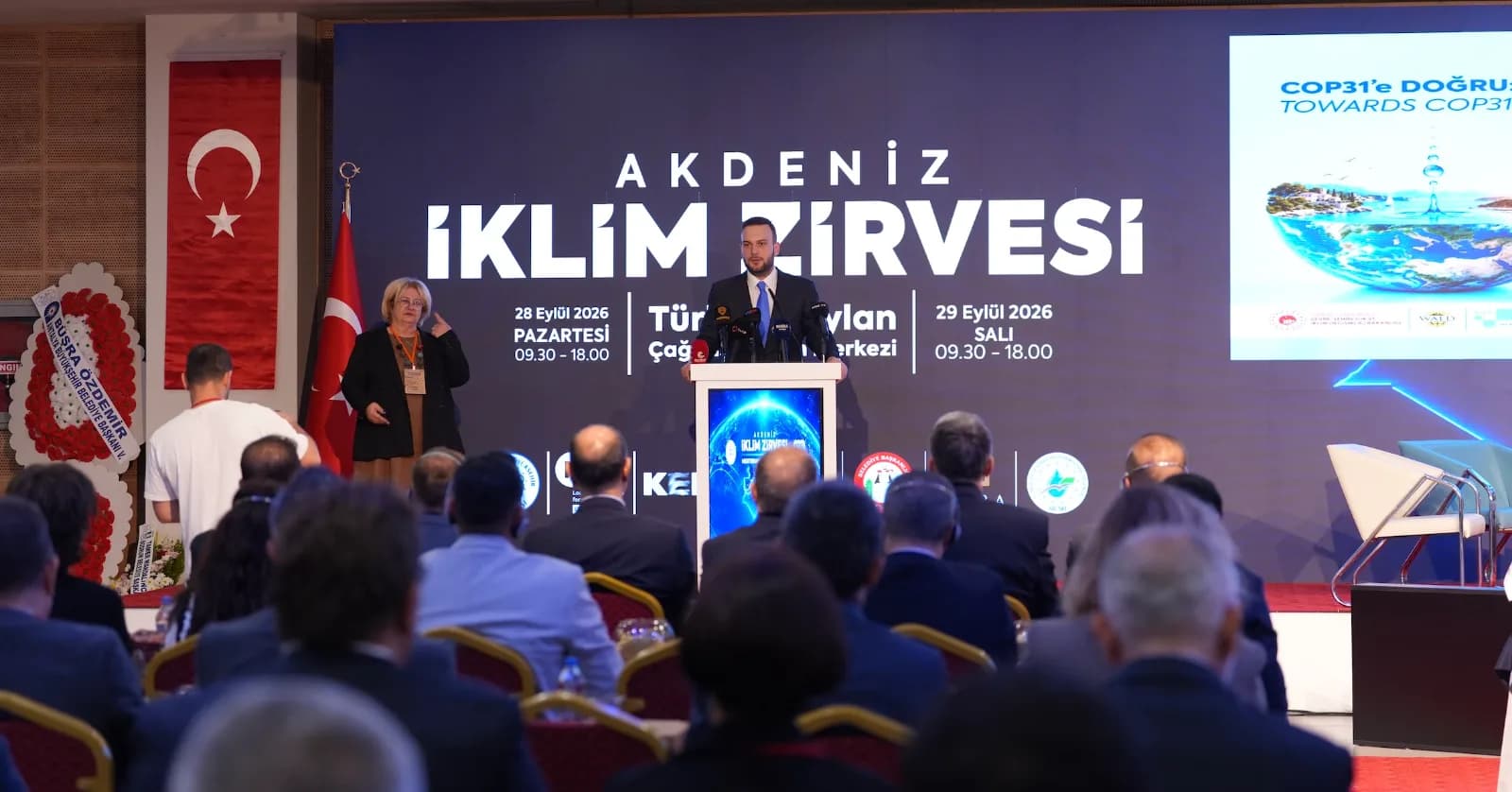
The Mediterranean Climate Summit, organized in cooperation with the Muğla Metropolitan Municipality and ICLEI Europe (Local Governments for Sustainability), was held on September 28-29 at the Muğla Türkan Saylan Contemporary Life Center. The summit brought together city and regional representatives, local governments, academia, civil society, and representatives from international organizations to focus on the vulnerability of the Mediterranean Basin to climate change and the resilience of cities.
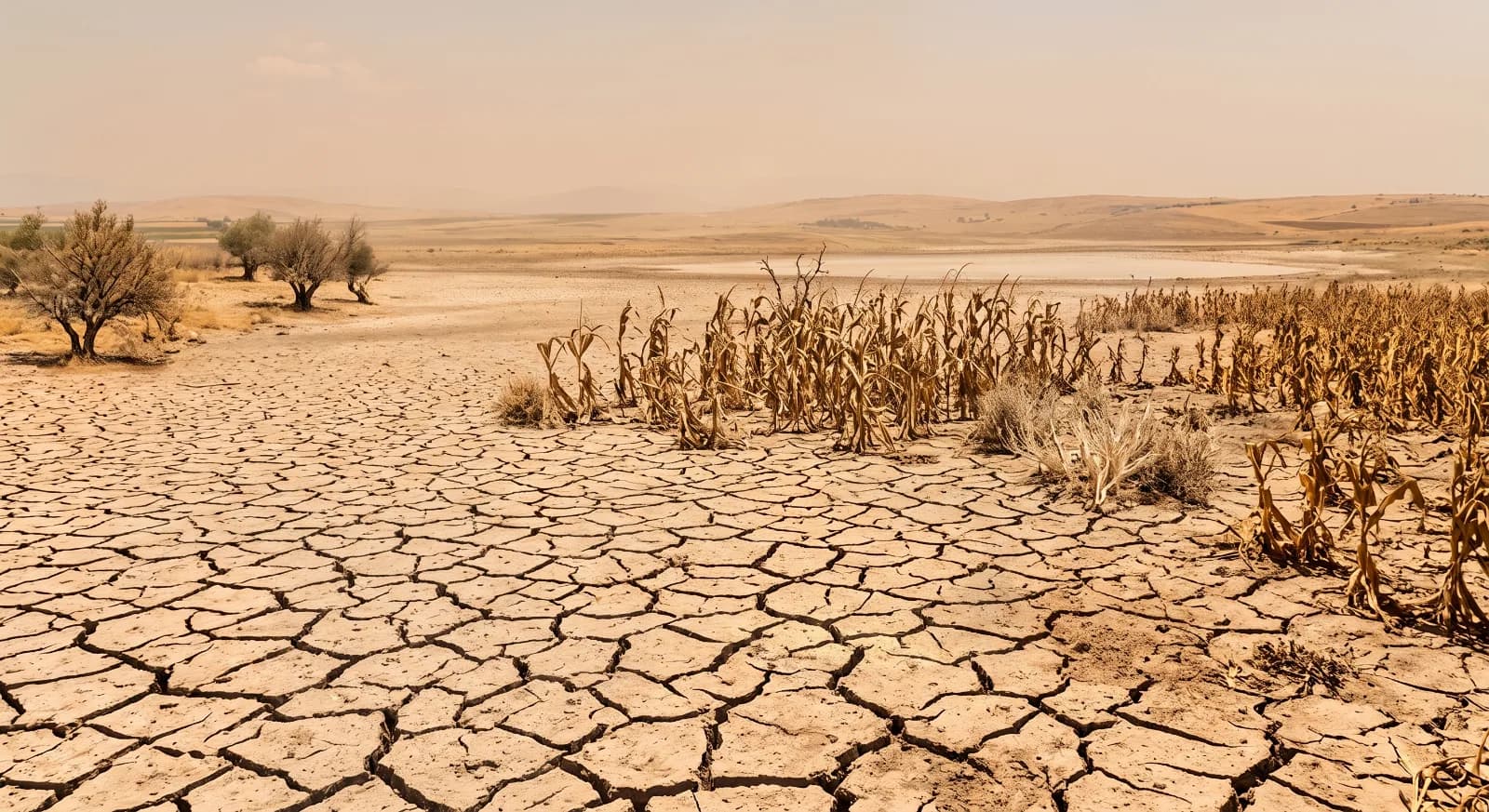
During the summit, fundamental issues such as water scarcity, droughts, forest fires, extreme temperatures, floods, marine ecosystems, and opportunities for regional cooperation were discussed. The summit aimed to determine common priorities in the areas of climate adaptation, just transition, climate finance, and loss and damage, and to prepare the "MED Climate Declaration," which includes key messages for COP31. The event was attended by Samed Ağırbaş, President of the Zero Waste Foundation and COP31 High-Level Climate Champion; Dr. Babatunde Ahonsi, United Nations Resident Coordinator in Turkey; İsmail Soykan, Deputy Governor of Muğla; Ahmet Aras, Mayor of Muğla Metropolitan Municipality; Gonca Köksal Aras, Mayor of Menteşe; Mohamed Sefiani, Vice President of ICLEI; and Feridun Ulutaş, Deputy Secretary General of the Union of Municipalities of Turkey.
The Role of Local Governments in the Climate Struggle
Speaking at the summit, Samed Ağırbaş, President of the Zero Waste Foundation, drew attention to the critical role played by cities and local governments in the Mediterranean region, which is intensely experiencing the effects of the climate crisis. Stating that climate issues like global warming have a global dimension, but solutions vary locally, Ağırbaş expressed that waste management, water efficiency, prevention of food waste, and the circular economy are parts of a holistic transformation.
Ağırbaş also announced that following the Turkey Plastic Waste Workshop held recently in Istanbul, an action plan addressing the plastic waste crisis on the Mediterranean coasts has been prepared and will soon be presented to the public.
Zero Waste Data and the COP31 Process
Touching upon the results of Zero Waste practices in Turkey, Ağırbaş stated that in the ninth year of the movement, the recovery rate had increased from 13 percent to 40 percent. In this process, over 90 million tons of waste were reintegrated into the economy, providing an economic contribution of approximately 400 billion liras. Ağırbaş also recalled that the Zero Waste Forum held last June was attended by participants from 183 countries.
Referring to the work carried out under the coordination of Murat Kurum, Minister of Environment, Urbanization and Climate Change, within the scope of Turkey's COP31 Presidency, Ağırbaş stated that the success of COP31 will not only be measured by decisions taken in conference halls but by concrete changes that will emerge in cities, regions, and businesses. The summit concluded with the hope of carrying a common Mediterranean perspective to COP31 through the declaration to be prepared.