Natural emissions could amplify human-caused warming by up to 30%, study finds
Thawing permafrost, warming wetlands and lakes, and more frequent wildfires could add 0.2 to 0.4 degrees Celsius of warming by 2100.
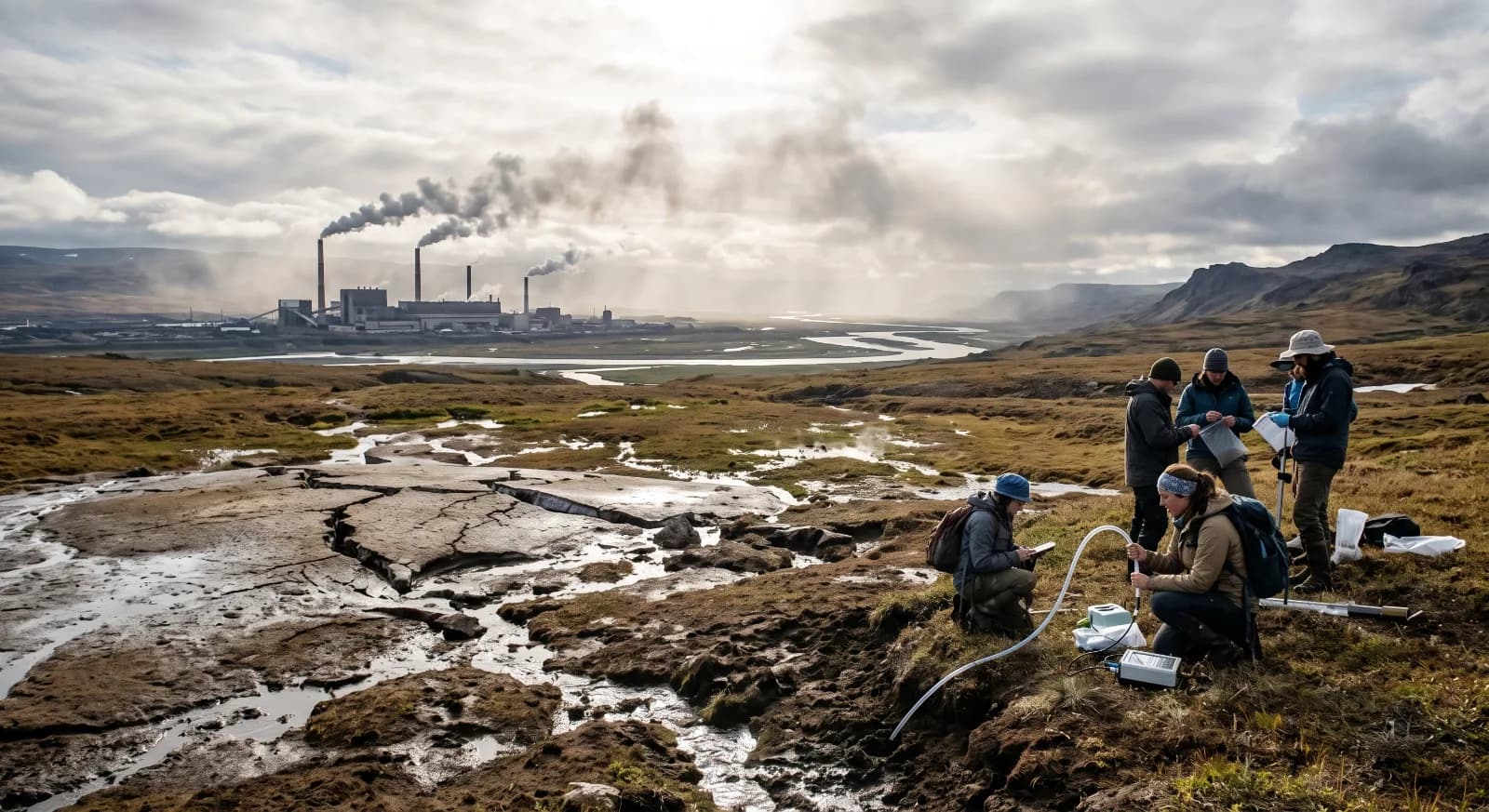
Greenhouse gases released by permafrost, wetlands, freshwater and wildfires as the planet heats could add another 0.2 to 0.4 degrees Celsius of warming by 2100, amplifying human-caused warming since 2020 by 20% to 30%, according to a study in the journal Environmental Research Letters.
The study counts only the extra emissions these natural systems release after 2020 because of human-driven warming, and methane accounts for roughly half of the effect. Lead author Sam Abernethy, a climate scientist at the nonprofit Spark Climate Solutions, said it is the first study to combine all four sources.
The gap matters for climate targets. Of the 11 Earth system models the Intergovernmental Panel on Climate Change (IPCC) used in its latest report, none included warming-driven emissions from wetlands or freshwater, only two included permafrost and five included wildfires. That means warming projections are likely too low and the remaining carbon budget too generous, the authors said. They are working to get these emissions into the next IPCC assessment, due in 2029.
"These natural sources are a bit of a blind spot for observations, which then means it's really tough to put them into models," Abernethy said.
Even with rapid emissions cuts, warming from natural sources would keep rising through 2100, the study found, because carbon dioxide builds up in the atmosphere. Abernethy said cutting human-caused methane, for example by plugging gas leaks, remains a priority. Euan Nisbet, an Earth scientist at Royal Holloway, University of London, who was not involved, called the study important.
This brief is based on reporting by Liz Kimbrough, published Oct. 2, 2026, in Mongabay. Read the original: https://news.mongabay.com/2026/10/permafrost-wetland-wildfire-and-freshwater-emissions-could-amplify-climate-change-by-up-to-30-study-finds/
This article was produced with the assistance of AI tools and reviewed by an editor before publication.