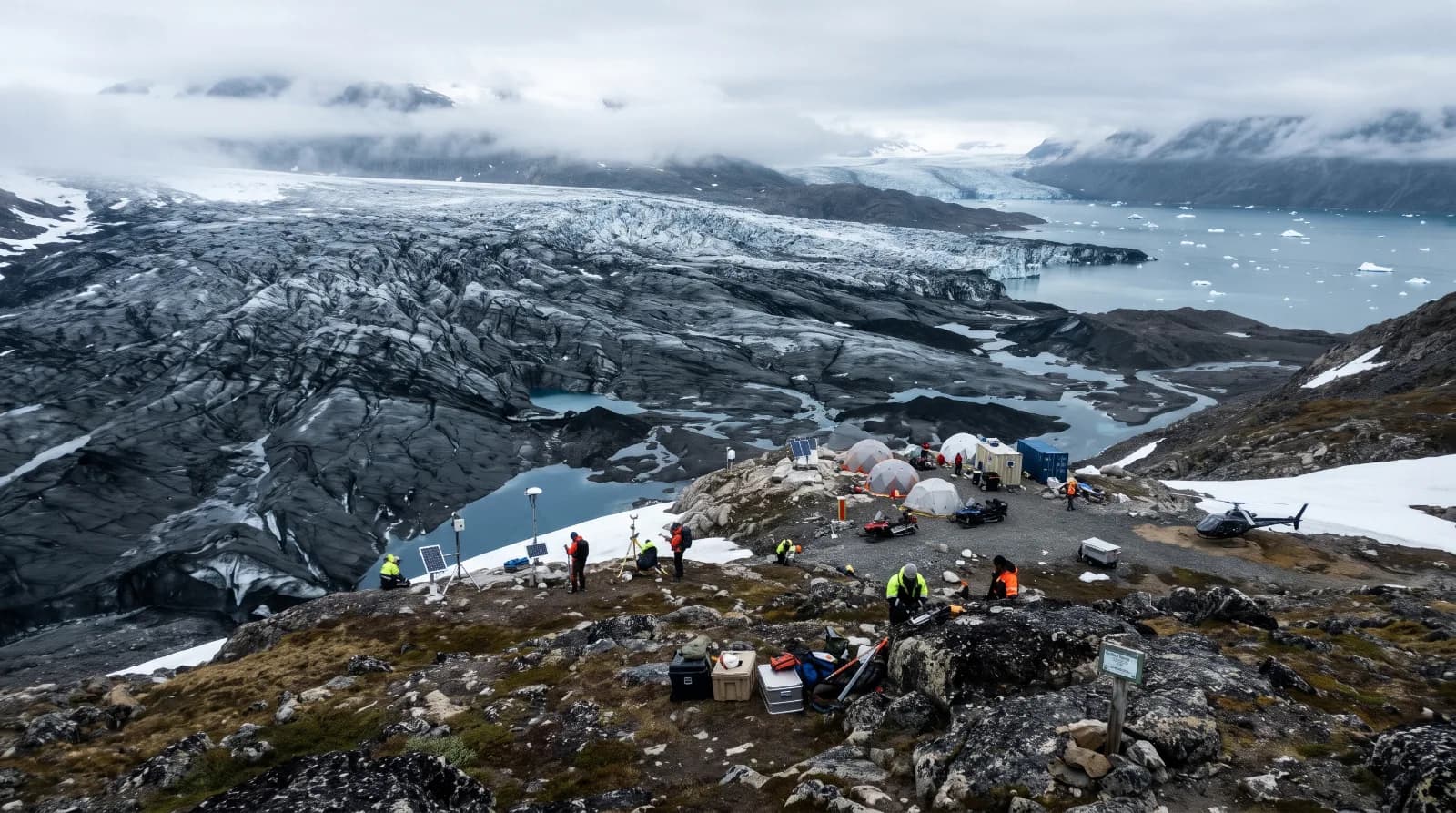
Overshooting 1.5C would permanently damage Earth's ice, UN-backed report warns
Scientists say long-term warming should be brought back below 1C, because glaciers, ice sheets and permafrost would keep losing ground even after a brief overshoot.
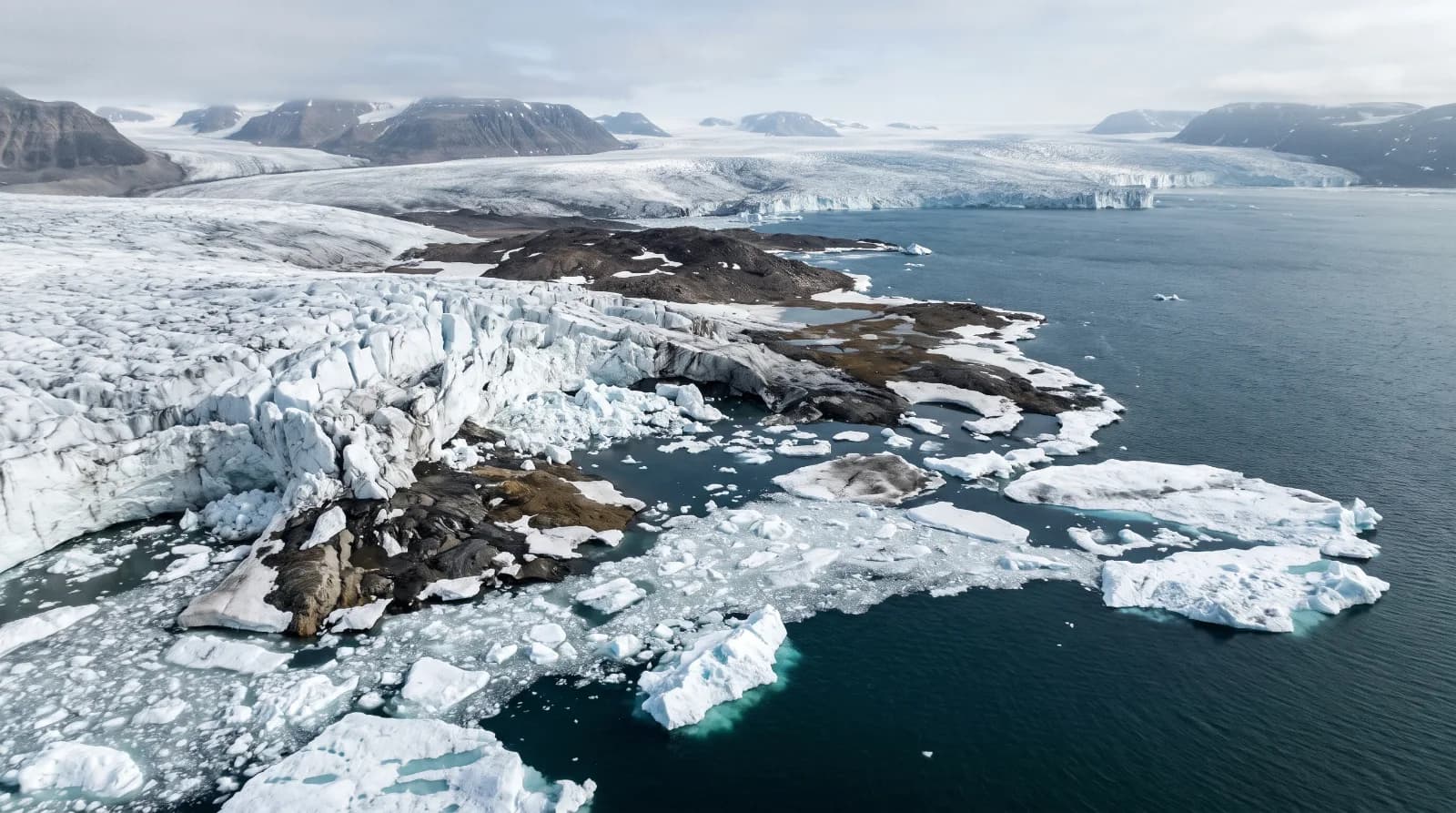
Even a temporary rise in global temperatures above the Paris Agreement's 1.5 degrees Celsius limit would cause widespread and permanent losses of snow and ice, according to a report by 80 scientists convened by the International Cryosphere Climate Initiative (ICCI) and the United Nations Environment Programme (UNEP).
The findings challenge what the authors call a "persistent myth" that overshooting 1.5C, to 2C or 3C, could be manageable. The planet has warmed 1.3C since preindustrial times. The report urges keeping any overshoot as short as possible, then removing enough carbon from the atmosphere to bring warming below 1C, ideally by 2150.
Under current policies, which point to about 2.8C of warming, glaciers in the Rockies, the Alps, Iceland and Scandinavia would shrink to less than 10% of their mass. In the Hindu Kush Himalayas, a water source for nearly a quarter of humanity, 41% of the ice would remain, compared with 83% if warming were held to 1.5C.
The Greenland and Antarctic ice sheets, which are melting about six times faster than in the 1990s, would keep losing ice even if temperatures returned to 1.5C after a brief overshoot. The scientists said a safe long-term limit for the ice sheets lies closer to 1C.
"Snow and ice respond rapidly to every fraction of a degree of warming," said James Kirkham, a glaciologist at ICCI and the report's lead author. "But most of these systems will take centuries or millennia to recover after overshoot."
The report was released as delegates gather in Türkiye for the 31st UN Climate Change Conference (COP31).
This brief is based on reporting by Ajit Niranjan, published Nov. 2, 2026, in The Guardian. Read the original: https://www.theguardian.com/science/2026/nov/02/permanent-damage-crysophere-overshoots-15c-scientists-warn
This article was produced with the assistance of AI tools and reviewed by an editor before publication.