Corporate nature reporting and target-setting groups release major framework updates ahead of COP17
Updated guidance from two leading initiatives aims to help companies assess, report and act on their impacts on land, water and oceans.
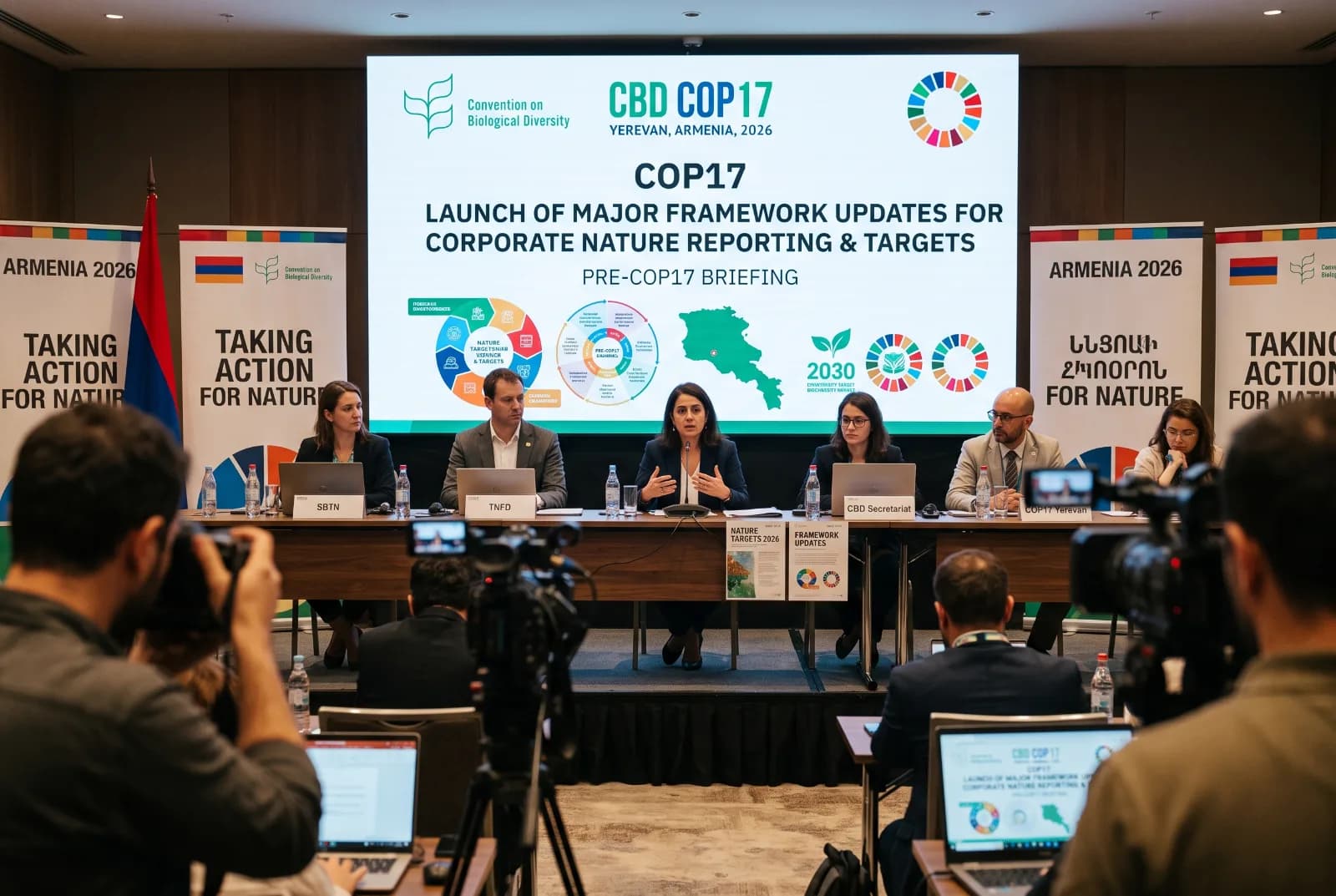
Two leading initiatives that guide how companies handle nature-related risks released major updates to their frameworks Tuesday, ahead of the 17th United Nations biodiversity conference (COP17).
The Taskforce on Nature-related Financial Disclosures (TNFD) published LEAP 2.0, the first upgrade of its core method for helping companies locate, evaluate, assess and prepare to disclose their dependencies and impacts on nature and the risks and opportunities that follow. Changes include more guidance on assessing risks, measuring the state of nature, reviewing financial institutions' portfolios, environmental crime and invasive species. More than 1,000 organizations in 56 countries have published TNFD-aligned disclosures.
The update is among the TNFD's last major technical projects. The group plans to end that work in late 2026 as the International Sustainability Standards Board (ISSB) begins setting nature-related disclosure standards that will draw on the LEAP approach.
The Science Based Targets Network (SBTN) released Science-Based Targets for Nature 2.0, which offers companies more flexible routes to setting targets, extends freshwater coverage to pesticide impacts, adds methods for sectors such as mining and construction, and provides new tools for turning targets into action plans.
"Nature loss is accelerating, and companies cannot afford to wait for perfect data, perfect visibility, or perfect conditions before they act," SBTN CEO Erin Billman said.
This brief is based on two reports by Mark Segal, published Oct. 13, 2026, in ESG Today. Read the originals: https://www.esgtoday.com/tnfd-releases-major-update-to-assessment-framework-to-support-corporate-nature-related-reporting/ and https://www.esgtoday.com/sbtn-releases-new-framework-for-corporate-science-based-nature-target-setting/
This article was produced with the assistance of AI tools and reviewed by an editor before publication.