Eastern quoll breeds on mainland Australia for first time in 60 years
Declared functionally extinct on the mainland since 1963, the eastern quoll is making a comeback through breeding success in fenced sanctuaries. Australia's predator-proof sanctuary model could offer lessons for marten and weasel populations around the world.
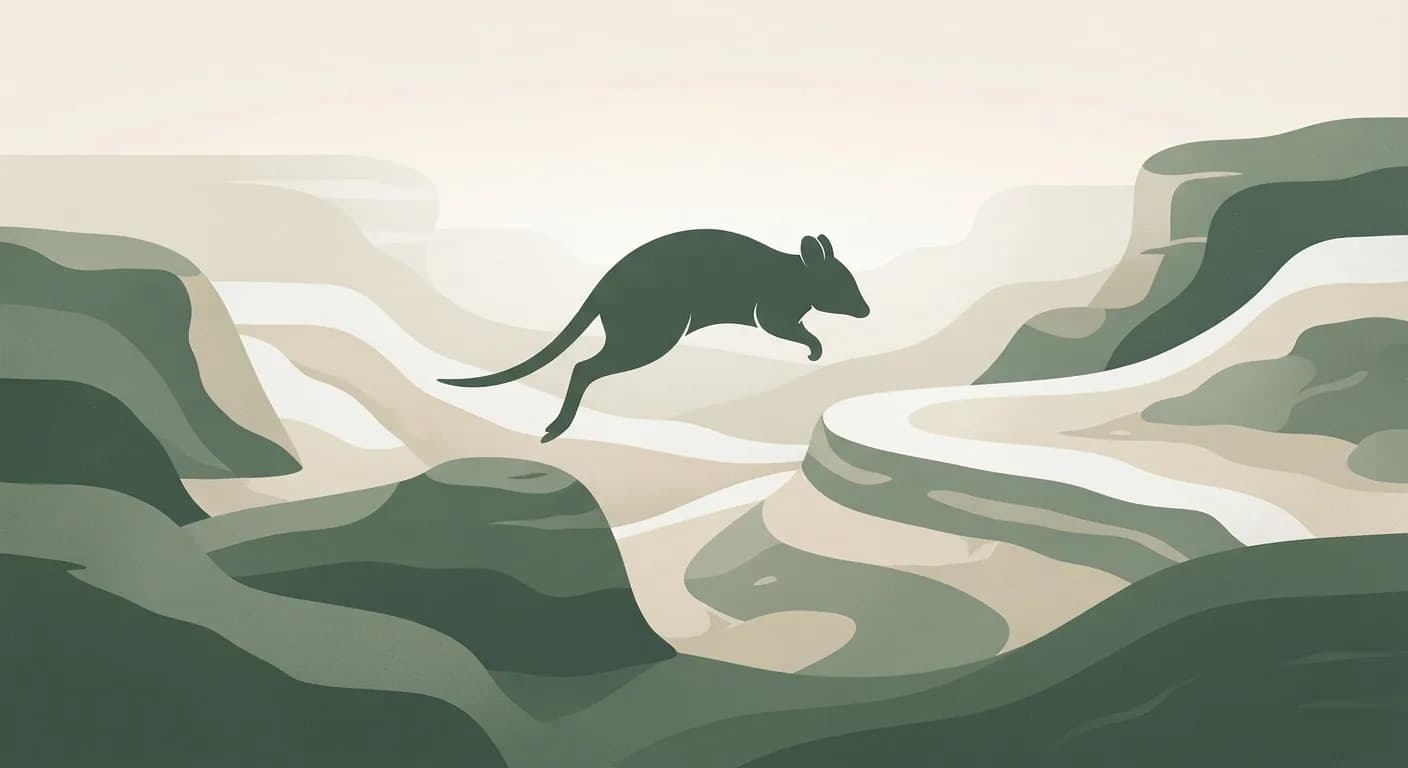
Considered extinct on the Australian mainland since 1963, the eastern quoll (Dasyurus viverrinus) is strengthening its return to the mainland with a new group released by Sydney Zoo into the Bannockburn Rewilding Sanctuary in January 2026. According to Sydney Zoo's announcement, the group of nine individuals, including four young, was recorded as an important milestone in the species' reintroduction process.
Red-Listed Species Breeds on Its Own for First Time in 60 Years
According to IUCN Red List data, the eastern quoll, classed as 'Endangered' globally, was considered 'functionally extinct' on the mainland after its last official sighting in Sydney in 1963. According to Australian government records, the species only survived in Tasmania.
Reintroduction efforts initiated by the ACT Government at Mulligans Flat Woodland Sanctuary in 2016 enabled the species to form a self-breeding population on the mainland for the first time in 60 years. Supported by independent verification from the Australian National University, this development highlighted the critical role of fenced conservation areas in the species' survival.
Breeding Success in Protected Areas
As of June 2026, Aussie Ark confirmed that individuals released into Booderee National Park had successfully paired and begun breeding in the wild. Supported by independent verification from Parks Australia, this statement shows that the species can hold on not only in fenced areas but also in natural parks.
Eastern quolls, which were widespread to the point of being considered an 'infestation' along Australia's east coast in the 1800s, were completely wiped out from the mainland by the 1960s due to invasive predators such as foxes and cats, as well as diseases. Conservation efforts that began in Victoria in 2003 and intensified in the ACT and New South Wales from 2016 onward aim to reverse the species' fate.
This article was produced with the assistance of AI tools and reviewed by an editor before publication.