Heat-resistant 'super corals' offer hope in reef restoration
A new study published in Nature Climate Change has revealed that transplanting corals produced through selective breeding could delay the collapse of reefs due to global warming for decades.
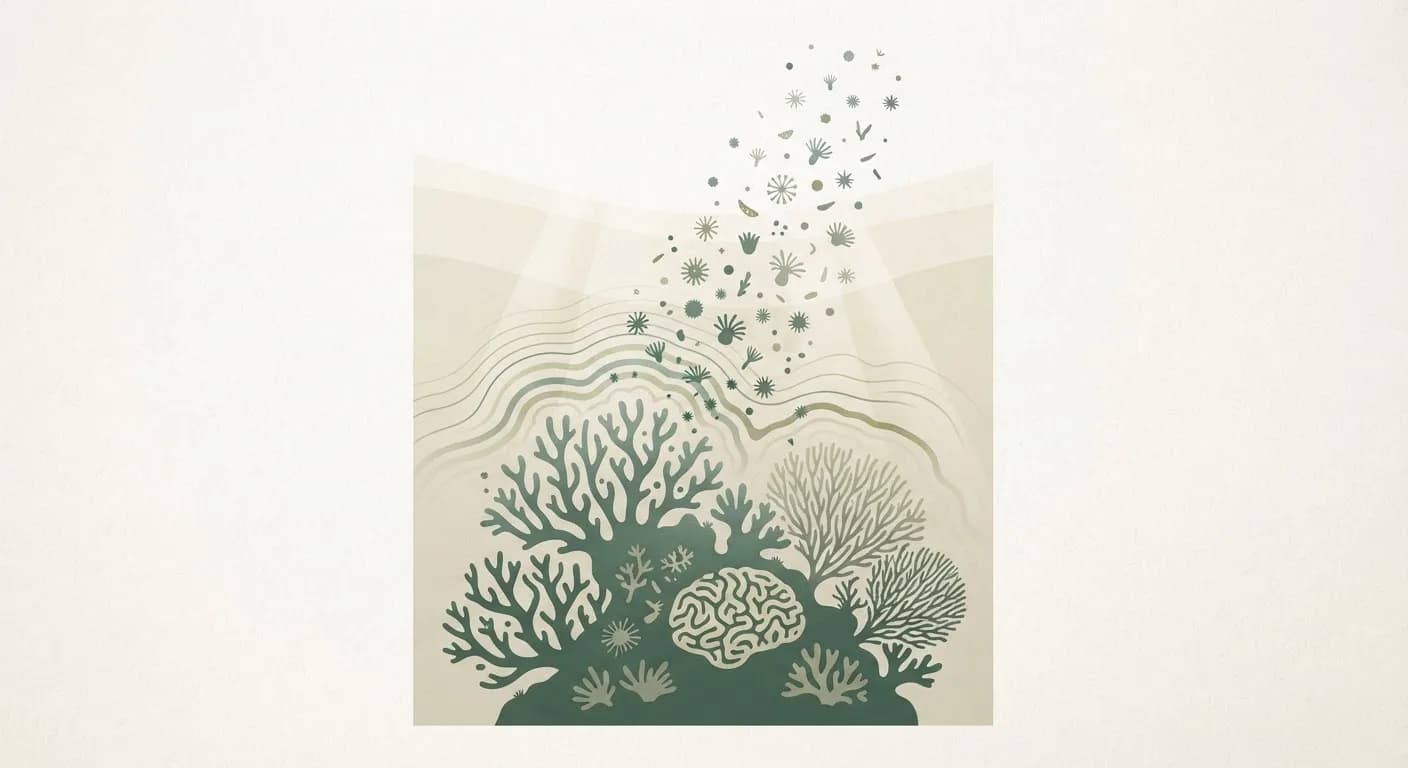
Scientists are developing heat-resistant species through "assisted evolution" to help coral reefs rapidly disappear due to global warming. According to a study published in the journal Nature Climate Change by researchers from Newcastle University, using these "super corals" in restoration projects could significantly extend the survival time of reef ecosystems against the climate crisis.
Data from the Intergovernmental Panel on Climate Change (IPCC) reveals the severity of the situation. Even if global temperature increase is limited to 1.5°C, 70 to 90 percent of existing coral reefs are expected to disappear. If warming reaches 2°C, this figure rises to over 99 percent. According to the United Nations Environment Programme (UNEP), reefs, which cover only 0.1 percent of the world's ocean surface, are home to approximately 25 percent of all marine species.
Traditional coral restoration efforts have relied on replanting fragmented corals. However, this method has largely failed due to the mass death of transplanted corals during the next marine heatwave. The new approach aims to make corals more resistant to higher water temperatures by strengthening their genetic or symbiotic characteristics through a process called "assisted evolution."
Research in Nature Climate Change showed that if heat-tolerant species are used in restoration, the conservation period of coral cover can be extended by decades compared to standard species. Tests conducted by the Australian Institute of Marine Science (AIMS) on the Great Barrier Reef also support this finding. According to the institute's data, coral larvae produced from heat-tolerant parents show greater survival rates at higher temperatures compared to normal populations. However, it should be noted that these results have not yet been independently confirmed.
The situation in Türkiye
The Mediterranean basin is warming 20 percent faster than the global average, facing the threat of tropicalization. White stony coral (Cladocora caespitosa) species, which are widespread along the Turkish coasts, especially in the Aegean and Marmara Seas, are experiencing mass deaths due to marine heatwaves. Although institutions such as the METU Institute of Marine Sciences and the Turkish Marine Research Foundation (TÜDAV) conduct coral monitoring studies, a large-scale program for the artificial production and restoration of heat-resistant native species is not yet in place.
Despite these promising developments, the long-term consequences of releasing “super corals” into open-sea ecosystems are not fully predictable. The genetic interactions of heat-resistant species with other organisms and their potential side effects on biodiversity have not yet been sufficiently investigated. Furthermore, the cost and scalability of implementing the method on a global scale remain significant questions.
Researchers consider such interventions as an “interim solution” to buy time in the fight against climate change. While the need to rapidly reduce greenhouse gas emissions remains unchanged, it is argued that heat-resistant corals could open a critical window of opportunity for humanity by delaying the complete collapse of reef ecosystems.
This article was produced with the assistance of AI tools and reviewed by an editor before publication.