PFAS crisis in London's water project: 13 times the legal limit
Pilot tests showed PFOS levels in treated water reaching 13 times the legal limit while the project's cost and environmental risks are being debated heavily in UK.
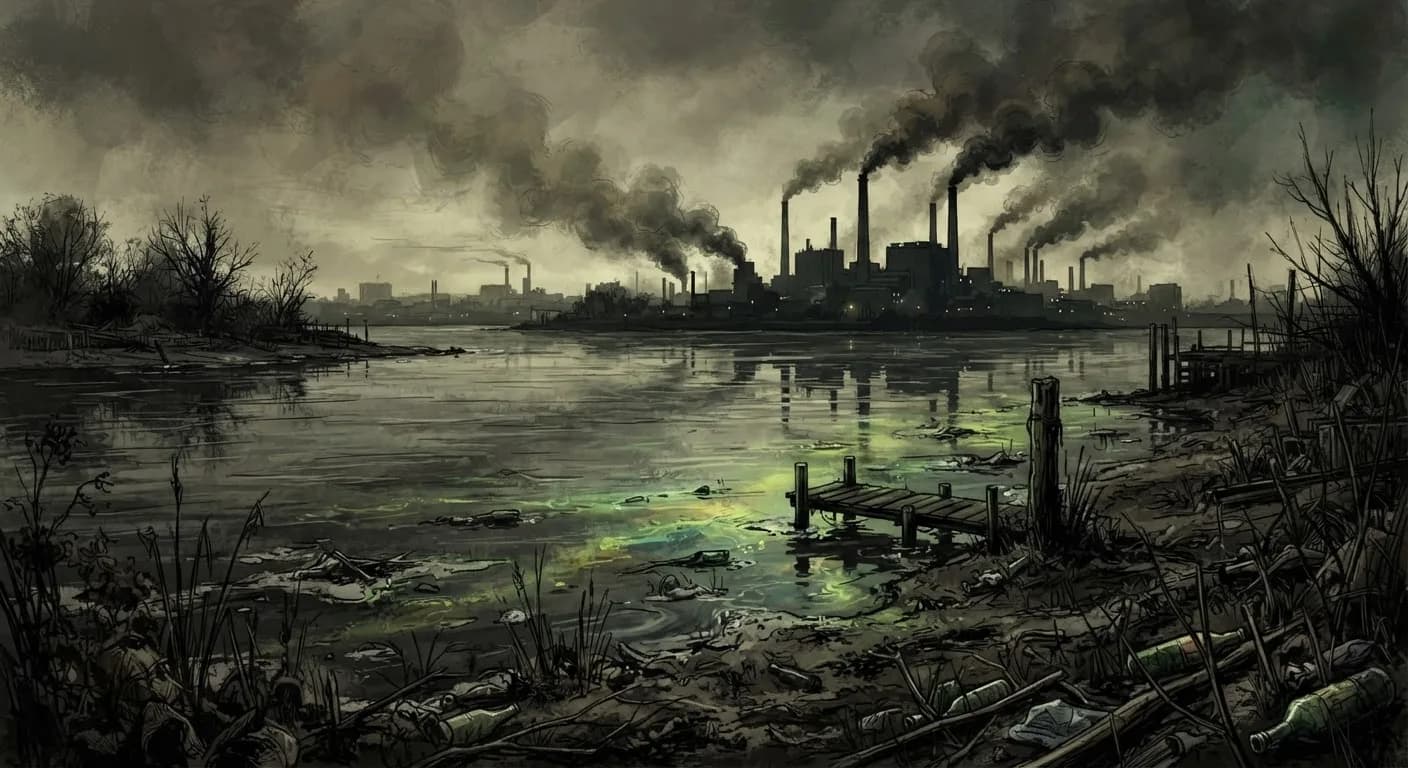
The climate crisis and increasing water demand are pushing major cities around the world to seek alternative solutions. At the forefront of these solutions is the treatment of wastewater and its return to nature or the city's water supply. However, a massive water recovery project planned in London has encountered one of today's most insidious environmental problems: PFAS, commonly known as "infinite chemicals."
To better understand the issue, it's necessary to first look at what these chemicals are. PFAS, which stands for per- and polyfluoroalkyl substances, is a family of synthetic chemicals that hardly ever break down in nature or the human body. Used in many products in our daily lives, from waterproof clothing and non-stick pans to food packaging and stain-resistant fabrics, these substances carry serious health risks such as cancer and immune system problems. At the heart of the crisis in London is PFOS (perfluorooctanesulfonic acid), one of the most dangerous subtypes of this family, whose presence in water is very strictly controlled.
Thames Water's £350 million project in Teddington, southwest London, has hit a snag. The project, which aimed to draw water from the river during drought periods and replace it with treated sewage, has been revealed to have reached approximately 13 times the UK legal limit for PFOS (Processed Organic Compounds) in pilot tests, according to leaked documents. The legal limit for surface water is 0.65 nanograms per litre, while tests showed levels between 6.3 and 8.7 nanograms. Furthermore, the problem wasn't limited to these chemicals; high levels of iron accumulation, which could seriously damage the river ecosystem, were also detected.
This crisis clearly demonstrates the inadequacy of standard wastewater treatment plants in filtering out such persistent molecules as PFOS. According to internal company reports, keeping these chemicals within legal limits is a very challenging process. The activated carbon filters will need to be replaced much more frequently to keep the water clean, and this technical necessity could increase the project's cost by up to £500 million. Given that the UK Environment Agency rejected a similar project in 2019 due to environmental risks, whether this project will be approved following the leak of this latest data is a major point of contention.
This situation also serves as a clear warning for countries like Turkey, which are experiencing water stress and accelerating water recovery projects. In Türkiye, significant steps are being taken under the "Water Efficiency Campaign" to reuse wastewater in industry and agriculture. However, PFAS discharge limits in our country are not yet fully aligned with the strict legal framework of European Union standards. 2026 is seen as a critical turning point, with Türkiye expected to begin nanogram-level sensitive PFAS monitoring in its drinking water.
In conclusion, this case in London summarizes a fundamental paradox we face globally as we struggle with water scarcity: How can we meet the water needs of our cities while avoiding poisoning our existing resources with carcinogenic chemicals? At this point, where classical treatment methods are insufficient, the ability of advanced treatment technologies to be both economically sustainable and to guarantee environmental health will continue to be one of the biggest engineering and management challenges of the future.
This article was produced with the assistance of AI tools and reviewed by an editor before publication.