Weedkiller atrazine found at harmful levels in nearly a quarter of US rivers and streams
The herbicide, banned in 63 countries including the European Union, is applied at about 70 million pounds a year in the United States.
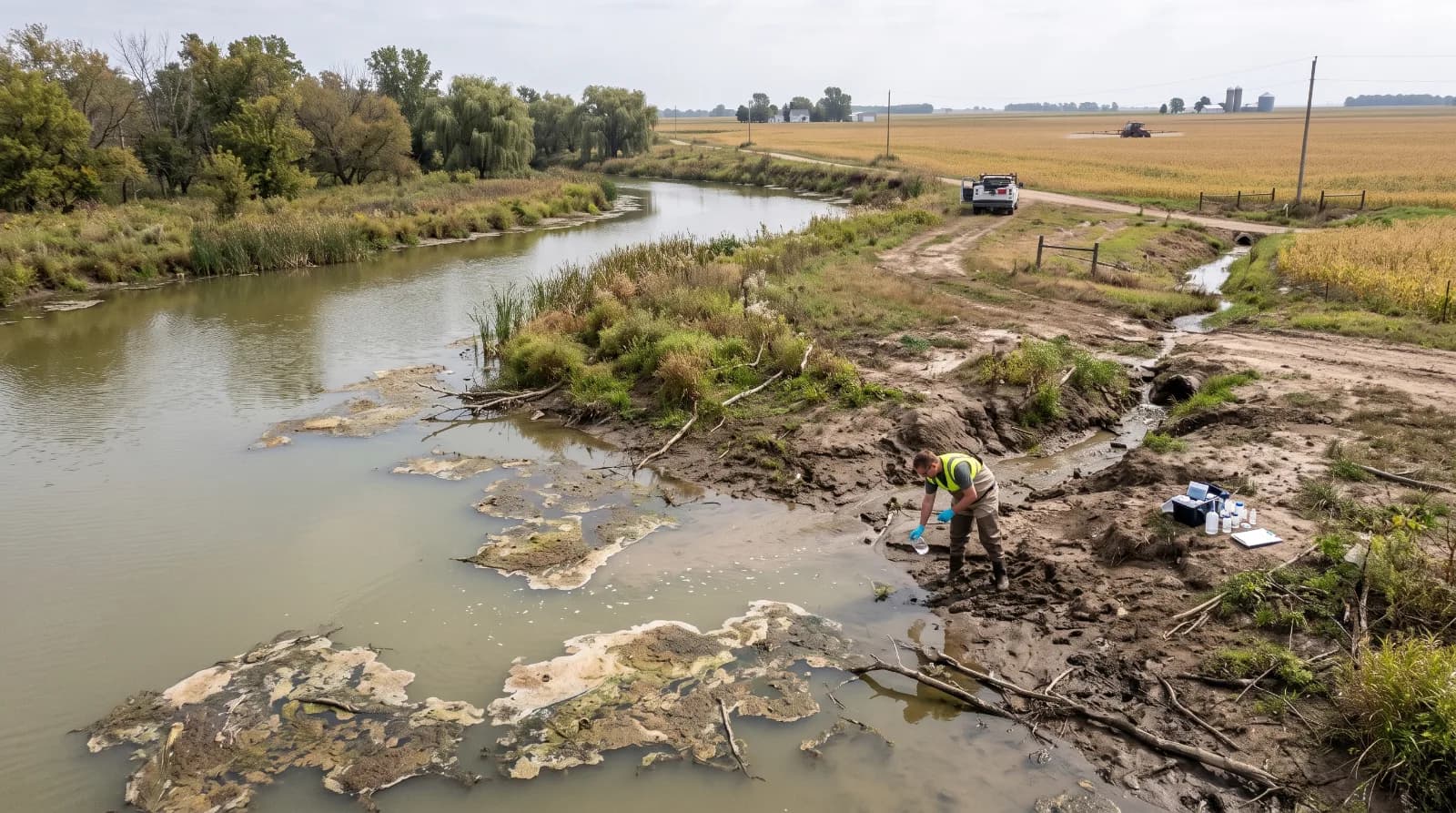
Nearly a quarter of rivers and streams in the continental United States carry levels of the herbicide atrazine that the Environmental Protection Agency (EPA) considers high enough to harm aquatic ecosystems, according to a Center for Biological Diversity study discussed in a Living on Earth interview by Aynsley O'Neill, published Saturday by Inside Climate News.
That amounts to nearly 1 million miles (1.6 million kilometers) of waterways, and about 20% of drinking-water intakes that rely on surface water draw from them. Hot spots include the Corn Belt, the Chesapeake Bay watershed, the Mississippi River, Florida's Lake Okeechobee and the Texas Gulf Coast.
Atrazine is the second-most-used weedkiller in the U.S. after glyphosate, with about 70 million pounds applied each year, mostly on corn, sorghum and sugar cane. Nathan Donley, environmental health science director at the center, said it is linked to certain lymphomas, breast cancer, reduced fertility and birth defects. California's Office of Environmental Health Hazard Assessment announced plans in early October to list it as a known carcinogen.
The chemical is banned in 63 countries, including in the European Union. The EPA reapproved it in 2020, and the center and other groups sued; on Oct. 14 they filed a new lawsuit against the agency. Donley said a ban would not threaten food supplies, noting that about half of U.S. corn growers do not use it.
Syngenta, the main manufacturer, says atrazine "is safe when applied in accordance with registered label instructions."
This brief is based on an interview by Aynsley O'Neill of Living on Earth, published Oct. 17, 2026, by Inside Climate News. Read the original: https://insideclimatenews.org/news/17102026/atrazine-carcinogenic-pesticide-found-in-us-rivers/
This article was produced with the assistance of AI tools and reviewed by an editor before publication.