Colombia's new president moves to revive fracking pilots halted under Petro
Supporters say shale gas could offset shrinking reserves, while residents of the wetland town of Puerto Wilches fear for their water and wildlife.
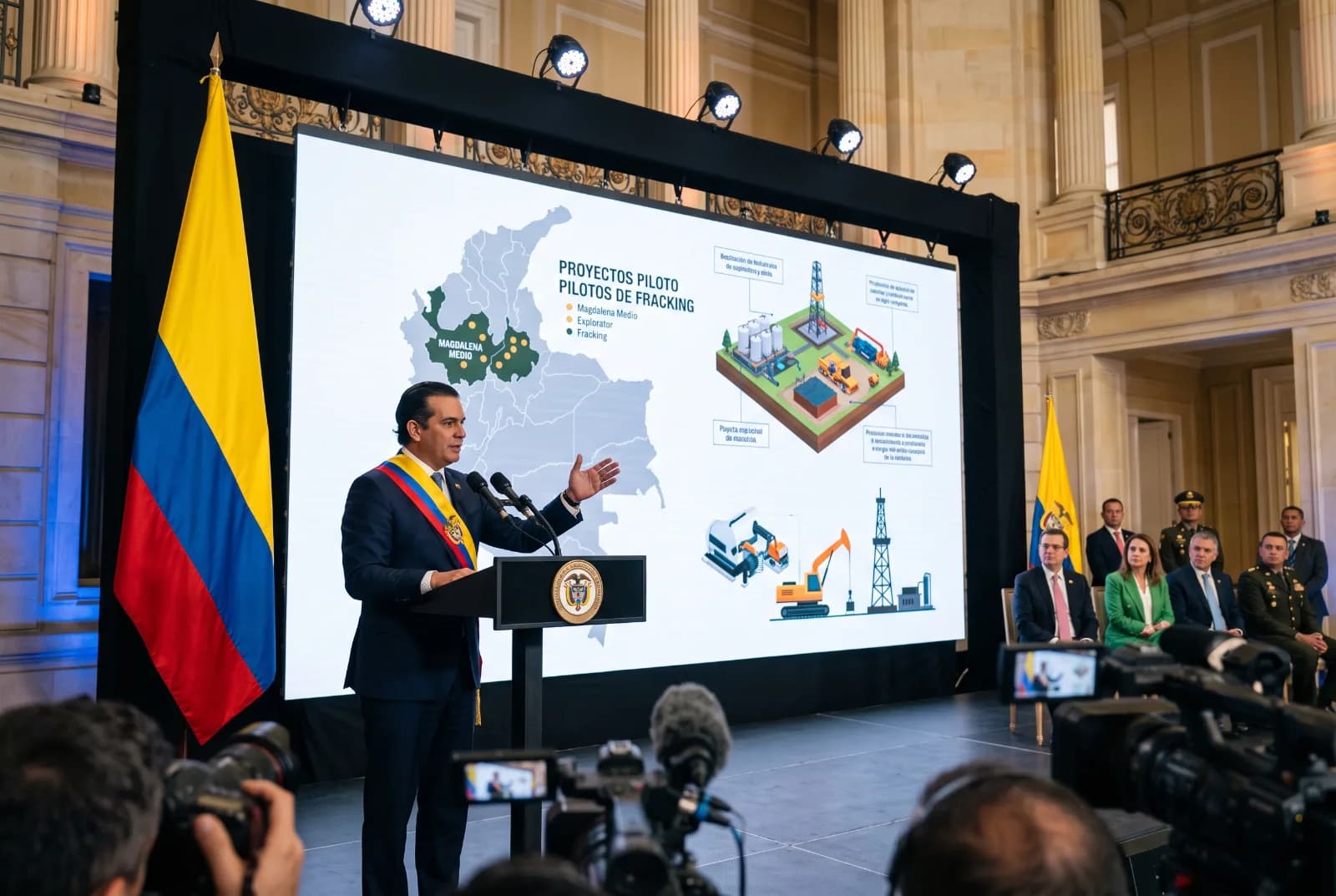
Colombia's new president, Abelardo de la Espriella, is moving to revive two fracking pilot projects in the river town of Puerto Wilches that his predecessor, Gustavo Petro, halted as part of a shift away from fossil fuels.
De la Espriella, a right-wing populist who pledged during his campaign to "fully open the door to fracking," says shale gas could shore up supplies. Colombia's proven gas reserves will last only 5.9 more years at current production, according to the National Hydrocarbons Agency. Colombia never formally banned fracking, so the government can revive it without a new law.
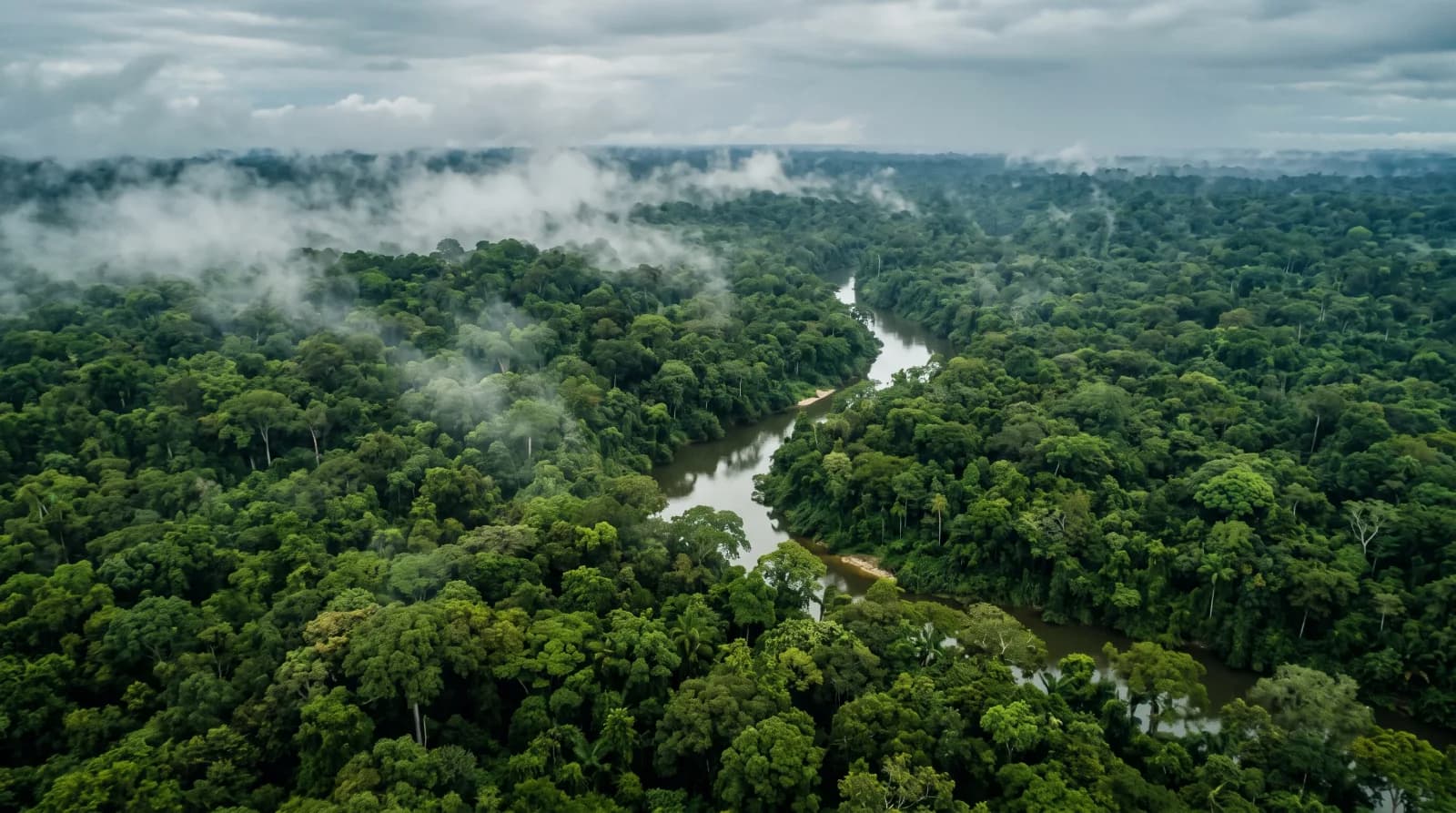
Puerto Wilches, home to more than 36,000 people, sits among wetlands in the Middle Magdalena Valley that support West Indian manatees, the critically endangered Magdalena River turtle and the endangered Magdalena catfish. A single fracking well can use up to 38,000 cubic meters (10 million gallons) of water, according to Colombia's Ministry of Environment.
"Puerto Wilches is not a laboratory," said Juliana Mendoza, a geologist with the Alliance for a Fracking-Free Colombia. Andrés Camacho, Petro's former mines and energy minister, said offshore discoveries could significantly increase reserves.
The pilots, known as Kalé and Platero, were planned by state oil company Ecopetrol with ExxonMobil. Commercial fracking would take years of exploration and permitting before producing gas.
This brief is based on reporting by Catherine Ellis, published Oct. 7, 2026, in Mongabay. Read the original: https://news.mongabay.com/2026/10/colombias-new-government-backs-fracking-as-debate-over-energy-future-heats-up/
This article was produced with the assistance of AI tools and reviewed by an editor before publication.