Germany sets 2045 deadline to end fossil fuel use in its energy sector
The roadmap, unveiled at the UN in New York, targets 80% renewable electricity by 2030 and weighs moving the coal exit up to 2035.
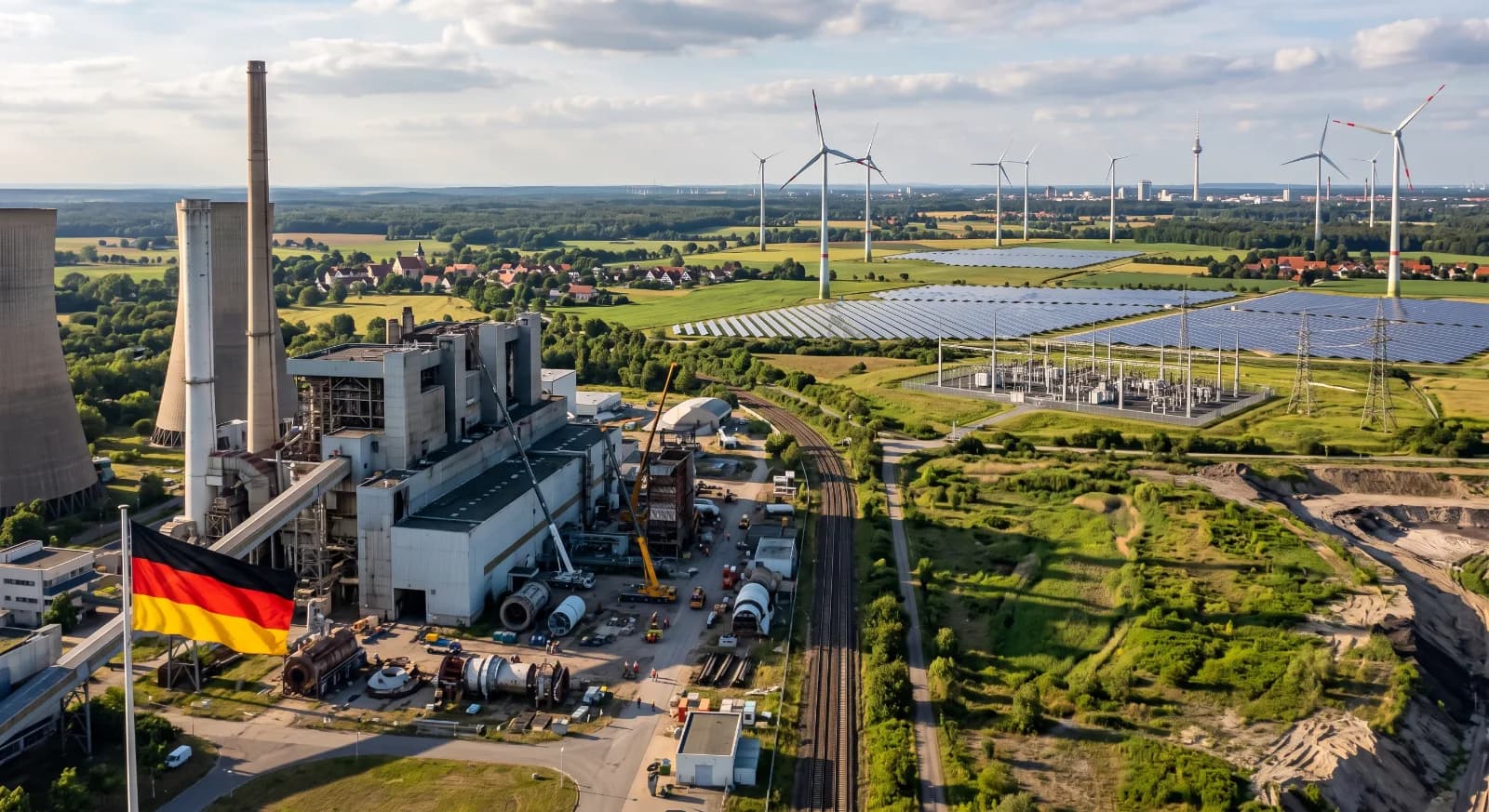
Germany plans to stop using fossil fuels in its energy sector by 2045 at the latest, under a national transition roadmap the government published Sept. 23 on the sidelines of the United Nations (UN) General Assembly in New York.
The plan centers on electrifying transport, home heating and industry while replacing fossil-fueled power with renewables. Renewables supplied about 55% of Germany's electricity last year, and the government wants at least 80% by 2030. German law requires all coal plants to close by 2038, but the roadmap says officials are considering moving that deadline to 2035.
New state-funded gas plants must be able to run on hydrogen and switch to climate-neutral fuels by 2045. The government also plans to add 2,000 wind turbines, offer 2.8 billion euros in subsidies to help lower- and middle-income households buy electric vehicles, and rely mainly on heat pumps to replace gas and oil boilers in homes.
Environment Minister Carsten Schneider said the plan would reduce Germany's dependence on “supply chains vulnerable to geopolitical crisis.” The country spent about 76 billion euros on fossil fuel imports in 2024.
Reactions were mixed. Laurie Van Der Burg of the campaign group Oil Change International said Germany deserved credit, but that its efforts were “not commensurate with the reality of the crisis.” Germany is the third European country to publish such a roadmap, after France and the Netherlands.
This brief is based on reporting by Matteo Civillini, published Sept. 23, 2026, on Climate Home News. Read the original: https://www.climatechangenews.com/2026/09/23/germany-plan-end-fossil-fuel-phase-out-energy-2045-new-york/
This article was produced with the assistance of AI tools and reviewed by an editor before publication.