Early climate change exposure hinders children's education, researchers warn
A comprehensive review originally published by The Conversation indicates that experiencing extreme weather during pregnancy and infancy can severely damage a child's long-term academic potential, calling for stronger social safety nets to protect vulnerable families.
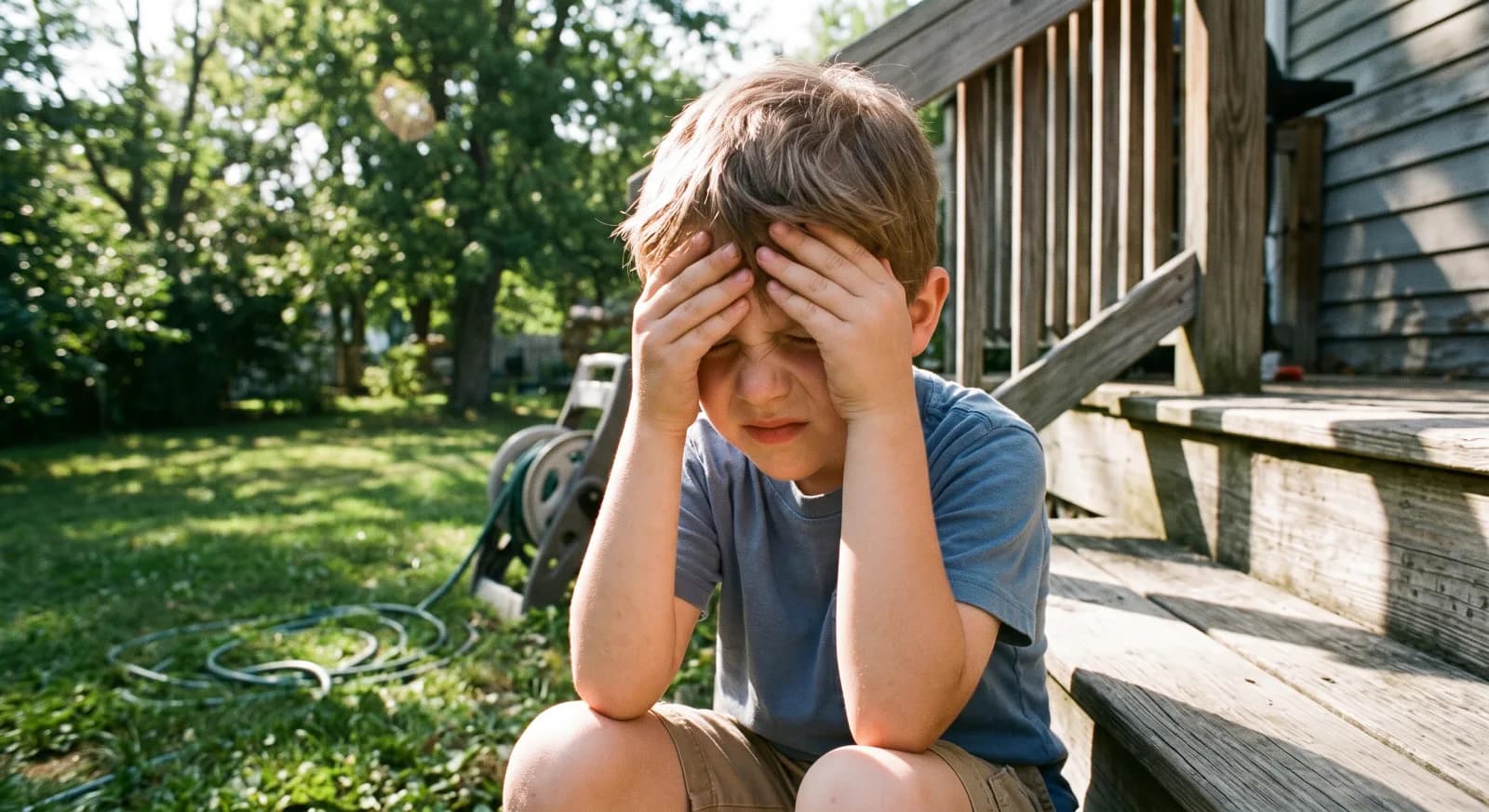
While much of the current discourse around climate and education focuses on the immediate dangers of un-air-conditioned classrooms, the developmental harm actually begins much earlier. According to an insightful analysis authored by Akanksha Bapna for The Conversation, the environmental consequences of global warming are severely impacting children long before they reach school age. Bapna, a senior research fellow at ODI Global, examined 254 distinct studies to better understand how early climate shocks dictate future opportunities.
The synthesized research reveals a clear pattern: fetuses and infants exposed to severe droughts, unexpected floods, and extreme heatwaves face significantly higher risks of low birth weight and delayed cognitive development. Consequently, these children often start school later in life and complete fewer total years of formal education. This developmental crisis disproportionately affects low- and middle-income countries, where communities generally lack the economic buffers necessary to survive sudden environmental disruptions.
The underlying mechanisms driving this inequality are deeply tied to systemic poverty and resource scarcity. When extreme weather events destroy local agriculture or halt economic activity, household incomes evaporate almost overnight. As Bapna’s report highlights, this acute financial strain means expectant mothers and young children are forced to endure poor nutrition and miss crucial medical care during their most critical windows of physical growth. Furthermore, in tropical regions, the sheer physiological stress of enduring high temperatures directly compounds these early developmental hurdles.
From a public policy perspective, these findings underscore a widening gap driven by a warming planet, but they also point toward a viable solution. While affluent communities can often rebuild and recover using insurance and savings, marginalized populations are forced into desperate survival tactics, such as severely rationing meals. However, Bapna notes that the developmental damage does not have to be permanent. By implementing robust social protection programs—particularly direct, government-backed cash transfers—nations can successfully stabilize affected families, ensuring that an early-life climate shock does not permanently erase a child's educational future.