Severe drought is pushing Angolans back into seasonal migration
Years of severe drought are forcing Angolan communities back into a seasonal migration across the Namibian border that colonial-era restrictions had long suppressed.
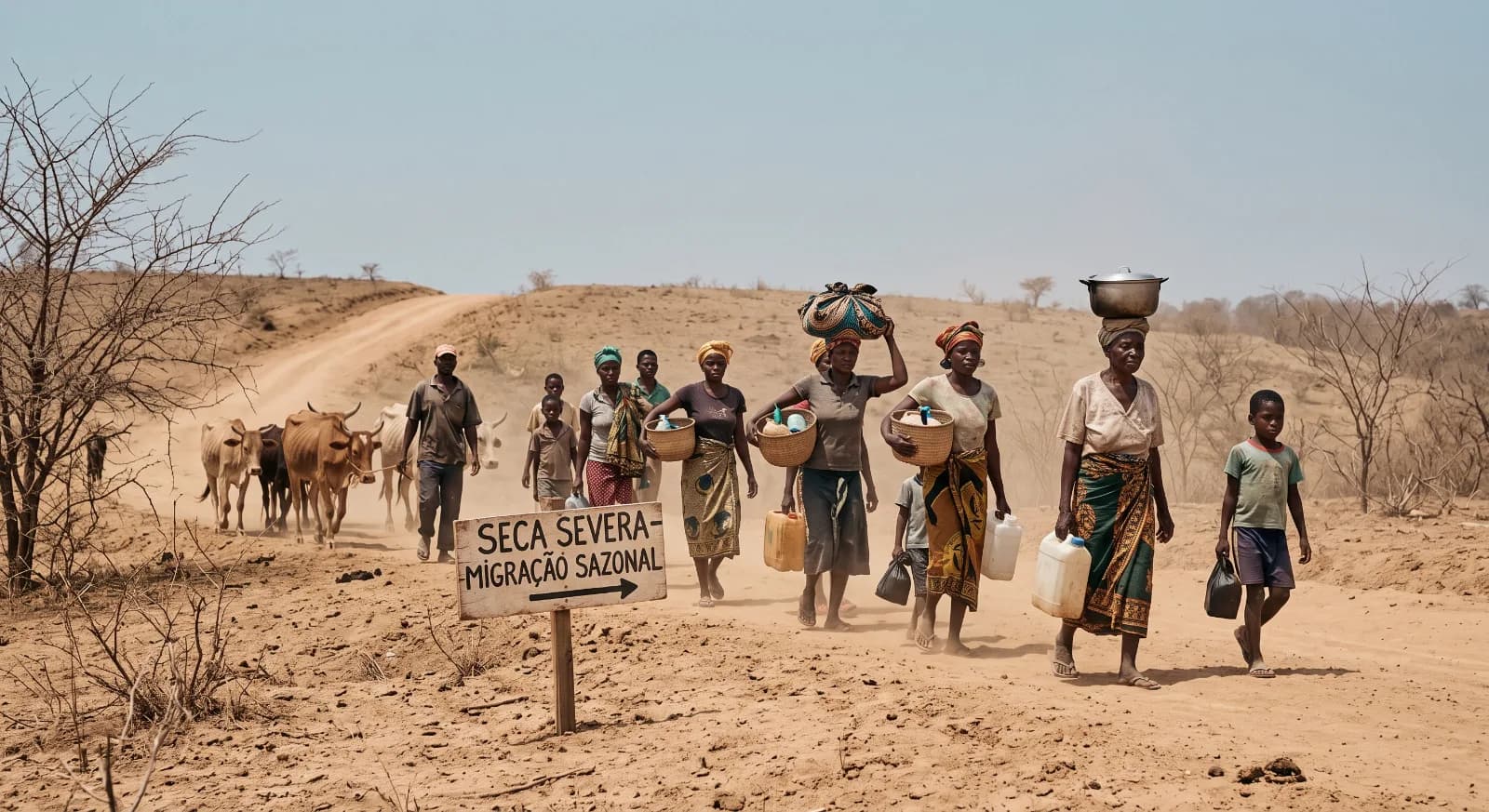
Years of severe drought in Angola's Cunene Province are driving residents across the border into Namibia in search of water and food, with entire villages reporting that nearly everyone able-bodied has left, leaving only elderly residents behind. The province's roughly 1.8 million residents rely heavily on pastoralism and subsistence farming, and about 30% of the territory has suffered desertification-linked land degradation, according to Amnesty International.
A powerful El Niño event in 2023-2024 triggered the region's worst drought in more than a century. Namibia responded with expanded food aid, livestock support and social protection programs, but Angola's more limited response has made crossing the border a matter of survival for many, according to migration researcher Victor Nyamori.
The seasonal movement across the Cunene River — which separates communities that share language, culture and family ties — was historically routine before colonial-era borders restricted it. A current bilateral agreement allows Angolans to move within 60 kilometers of the border; Amnesty International is calling for that arrangement to be made permanent, especially with scientists warning of another intensifying El Niño on the horizon.
Based on reporting by Elodie Toto for Mongabay. Read the original: https://news.mongabay.com/short-article/2026/09/angolan-communities-return-to-seasonal-migration-amid-severe-drought/
This article was produced with the assistance of AI tools and reviewed by an editor before publication.