Türkiye's VakıfBank and Zero Waste Foundation join forces for biggest-ever green financing
The Zero Waste Foundation and VakıfBank have launched the "Zero Waste and Circular Economy Financing Package" to support Türkiye's green transformation process. Described as the largest financing support in this field in the history of the Republic, the package aims to reach over 500 institutions and projects in its first phase.
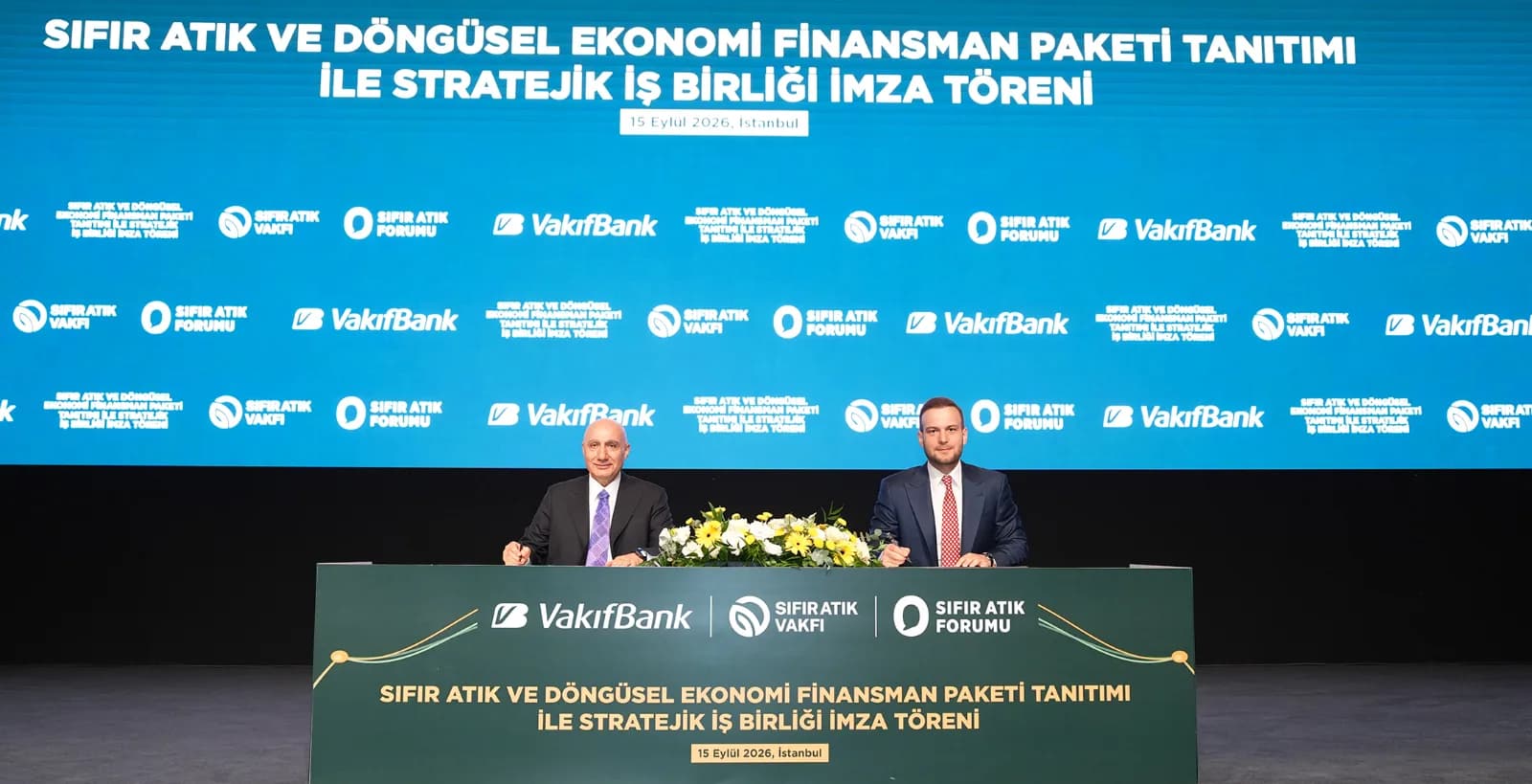
The package offers a broad credit framework to facilitate businesses' transition to sustainable production models. Accordingly, businesses will be provided with financing opportunities under two main headings:
Investment Loans: Up to 50 million TL with maturities up to 60 months.
Working Capital Loans: Up to 10 million TL with maturities up to 24 months.
The sectors that can benefit from this support include manufacturing, plastics, packaging, textiles, automotive sub-industry, machinery, electronics, retail, waste management, and recycling. In addition, SMEs operating in Organized Industrial Zones (OSBs), industrialists, waste management companies, and municipal subsidiaries will also be able to benefit from this financing.
The package will support projects that reduce primary raw material use, increase the use of recycled inputs, and improve energy efficiency. Investments in circular business models such as sharing, leasing, and reuse, as well as waste logistics, will also be financed.
Climate Goals and the 2053 Net Zero Vision
This step is considered a concrete reflection of the Zero Waste vision initiated under the leadership of Emine Erdoğan, Honorary President of the Zero Waste Foundation. It also directly aligns with Türkiye's 2053 Net Zero Emissions target and the COP31 (31st Conference of the Parties to the UN Framework Convention on Climate Change) process, which will be hosted by Türkiye. In line with the green transformation vision set by the Minister of Environment, Urbanization and Climate Change, Murat Kurum, the aim is to support climate actions not only at the target level but also with concrete financial mechanisms.
"Zero Waste is Producing More Value with Fewer Resources"
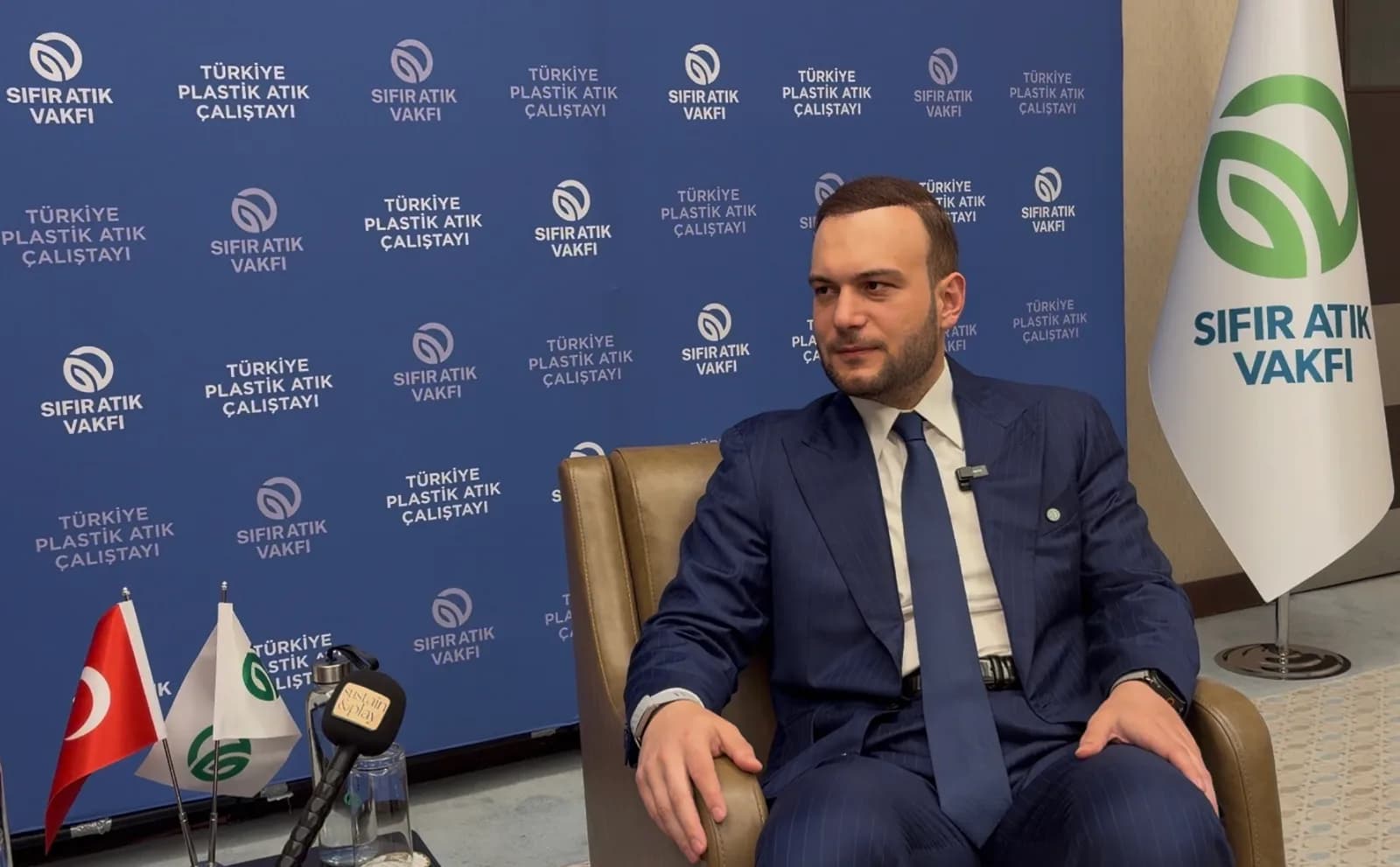
Samed Ağırbaş, President of the Zero Waste Foundation and COP31 High-Level Climate Champion, stated in his assessment that the zero waste issue has now gone beyond being just an environmental policy. Ağırbaş, emphasizing the importance of generating more value with fewer resources by efficiently using energy, water, and raw materials, highlighted that high initial investment costs and long payback periods hinder the realization of urban transformation potential through investment.
Reminding that the Credit Guarantee Fund (KGF) facilitates SMEs' access to finance through guarantee support, Ağırbaş called on all banks and financial institutions to make zero-waste financing a fundamental part of Türkiye's economic transformation.
"We Offer Holistic Solutions on the Transformation Journey"
VakıfBank General Manager Osman Arslan stated that they see this collaboration as an important part of the bank's "Development-Oriented Value Banking" strategy. Defining development as a long-term process that protects the production resources of the future while meeting the needs of the present, Arslan said, "With the Zero Waste and Circular Economy Financing Package, we offer holistic solutions to the financing that our businesses need in their transformation journey. We prioritize supporting investments that ensure more efficient use of resources and extend the economic life of products."
The Impact of Transformation Will Be Monitored with Data
Under the protocol, the compliance of the provided loans with circular economy criteria will be regularly monitored not only during the allocation phase but also afterwards. Transformation indicators such as resource efficiency, recovery, and reuse will be monitored with a data-driven approach, and the environmental and economic impact created by the provided financing will be concretely reported. All credit processes will be carried out within the framework of VakıfBank's existing risk assessment and credit policies.