China's carbon emissions signal a structural shift
A 1% drop driven by oil and steel could mark a new phase in the world's biggest emitter's climate fight.
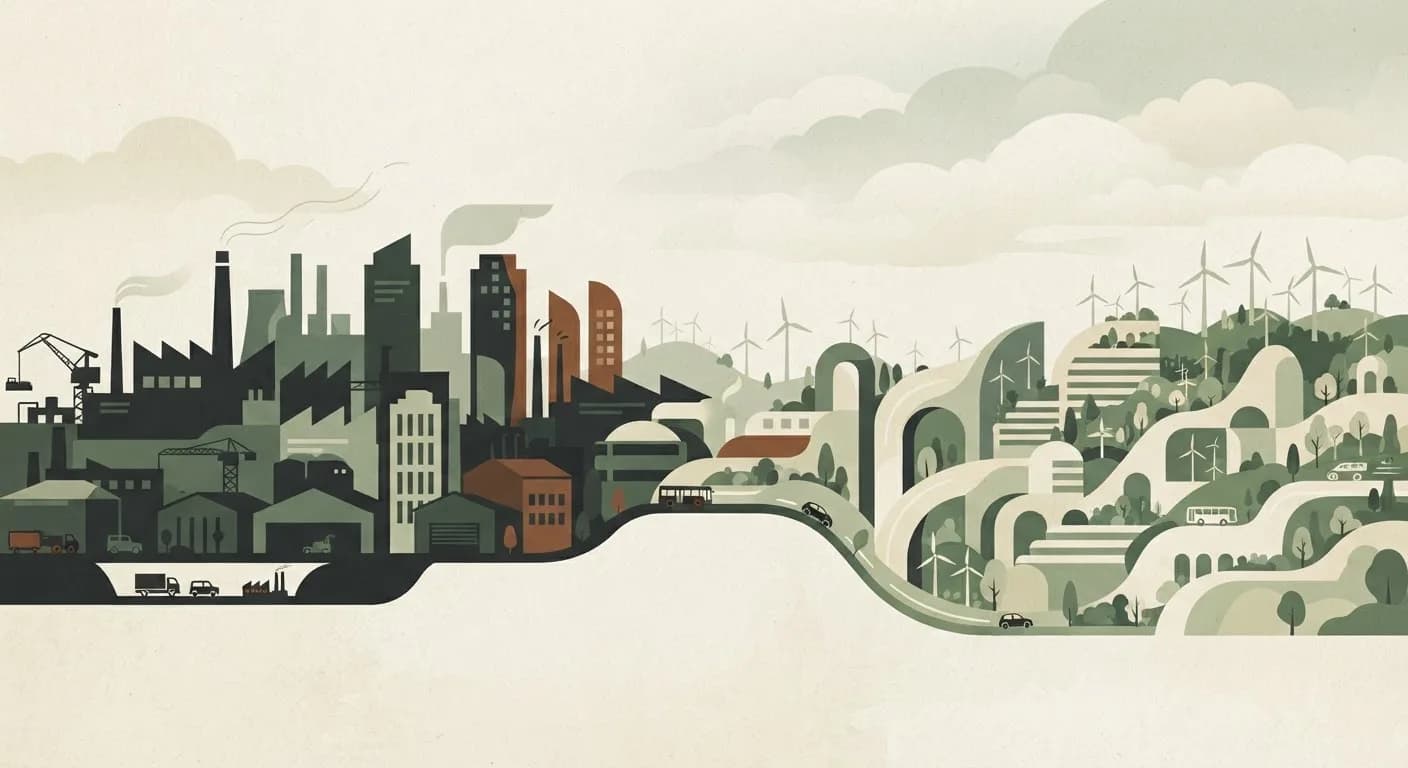
China's carbon dioxide emissions fell by 1 percent in the second quarter of 2026 compared with the same period a year earlier. In the world's largest emitter of greenhouse gases, emissions have declined due to structural factors for the first time since the economic slowdown caused by the COVID-19 pandemic.
The decline rests on two main pillars. The first is the rapid electrification of transport. According to data from the International Energy Agency (IEA), electric models are approaching a 50 percent share of new vehicle sales in China. The growing use of liquefied natural gas (LNG) in heavy-duty vehicles over the same period was another factor pulling oil demand down. The IEA's assessment is also consistent with energy consumption data from China's National Bureau of Statistics (NBS).
The second pillar is the contraction in industrial output. According to market data cited by Reuters, falling demand in the country's long-struggling property sector reduced steel and cement production by between 3 and 5 percent in the second quarter. This output loss in construction materials directly weighed on industrial emissions.
According to an analysis published by the energy think tank Center for Research on Energy and Clean Air (CREA), the 1 percent decline, while modest, points to a break from the structural upward trend seen in the post-pandemic period. The data means that emissions are falling while the Chinese economy continues to grow.
This article was produced with the assistance of AI tools and reviewed by an editor before publication.