Drax data center could emit almost double the carbon of all Gatwick flights, analysis says
Campaigners estimate the planned North Yorkshire site would burn 4.9 million metric tons of wood a year; Drax calls their figures inaccurate.
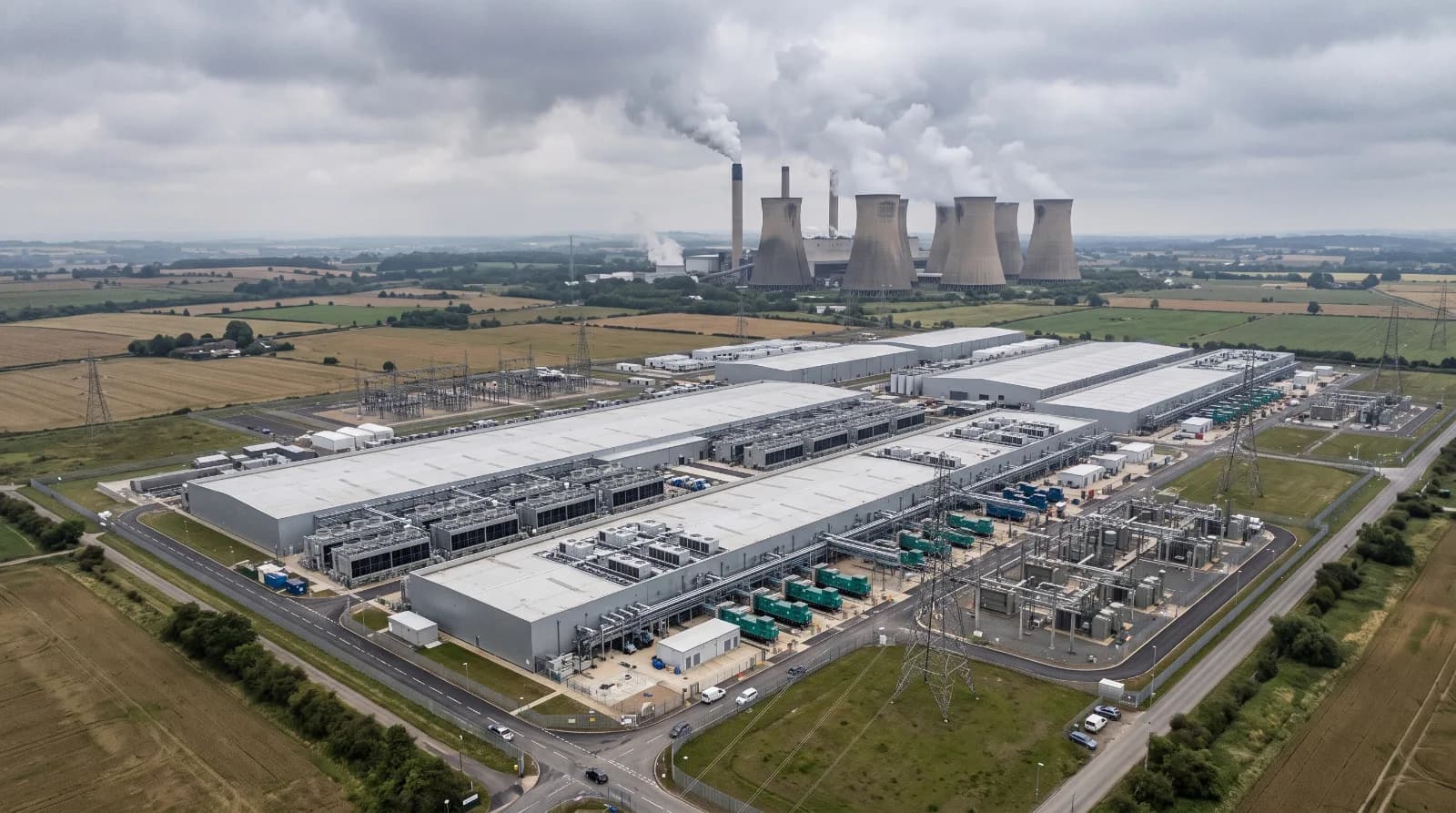
A data center that energy company Drax plans to build at its biomass power station in North Yorkshire, England, could emit nearly twice as much carbon dioxide each year as every flight leaving Gatwick Airport, according to an analysis by the Natural Resources Defense Council (NRDC).
Using figures from Drax's 2025 annual report, the environmental group estimated that the 1.2-gigawatt facility would need 4.9 million metric tons of wood a year and emit 8.6 million metric tons of carbon dioxide if it ran around the clock. Flights from Gatwick emitted 4.79 million metric tons in 2024. Drax plans to draw 100 megawatts from the grid and the rest from its own plant, which burns imported wood.
Drax presents biomass as low-carbon because replanted forests absorb carbon dioxide, but researchers have found such systems can take 150 years to become carbon negative. Matt Williams, a senior advocate at NRDC, said the project would make it "one of the dirtiest datacentres out there."
The United Kingdom has 315 data centers waiting to connect to its grid, representing 73 gigawatts of demand, almost double the country's peak winter demand. Lawmakers in Scotland voted in September to pause new data center planning applications for up to a year.
A Drax spokesperson said NRDC's "inaccurate assertions are not independently verified" and that the plans could support economic growth in North Yorkshire. The project has not entered the formal planning process, but Drax says it could be fully running by 2031.
This brief is based on reporting by Pippa Neill, published Oct. 6, 2026, in the Guardian. Read the original: https://www.theguardian.com/uk-news/2026/oct/06/drax-datacentre-yearly-co2-emissions-gatwick-flights-analysis
This article was produced with the assistance of AI tools and reviewed by an editor before publication.