Southeast Asia's 'battery' is starting to look less like Laos
As solar and wind power expand and new cross-border grid links open up, Laos's decades-long role as Southeast Asia's hydropower exporter is starting to shift.
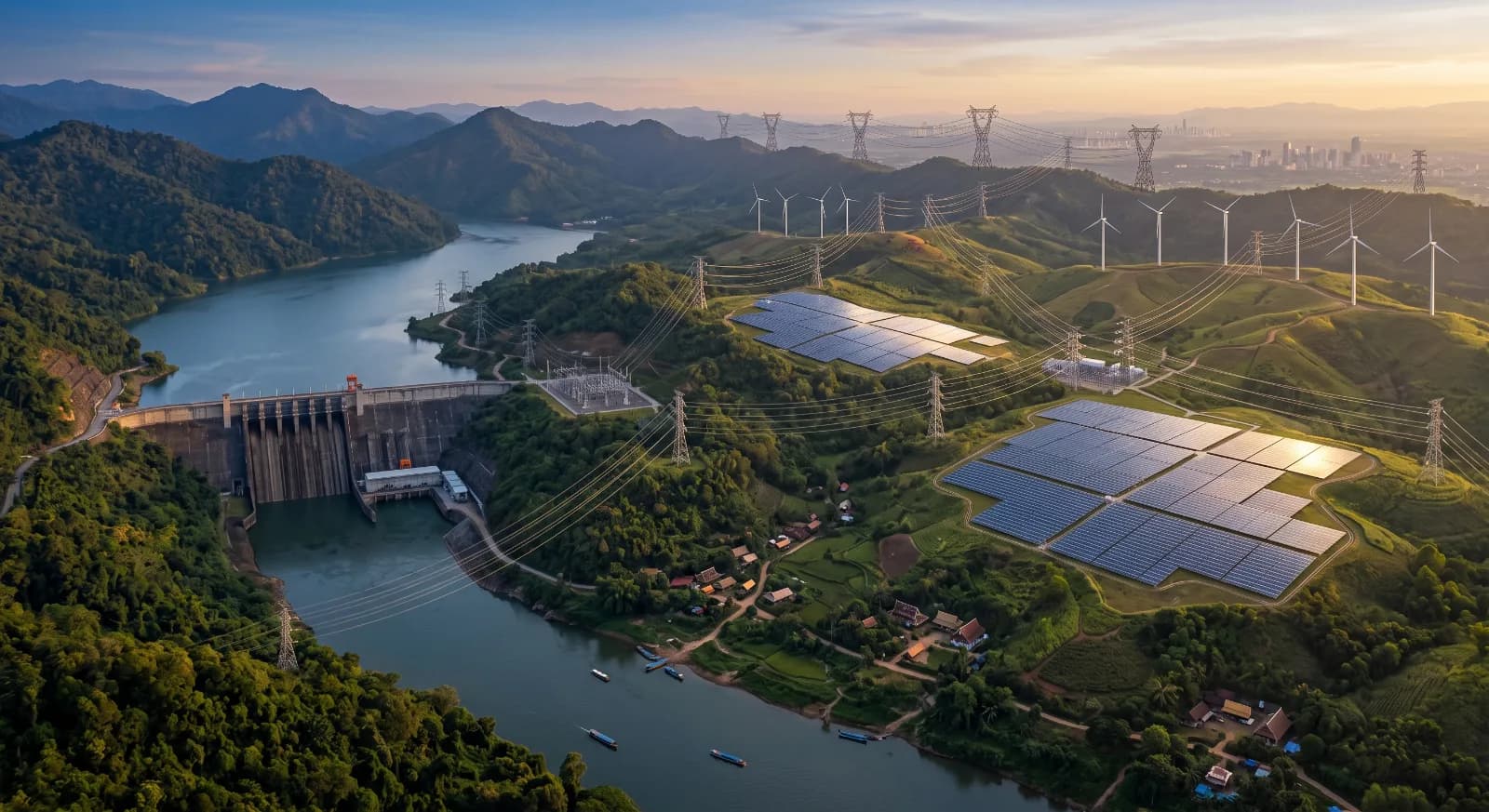
For decades Laos has powered its neighbors, exporting about 80% of its electricity, mostly hydropower, to earn roughly $2.6 billion a year, a vital income source for one of mainland Southeast Asia's poorest countries. That role is now shifting as cheaper solar and wind power and new cross-border grid links change the region's energy math.
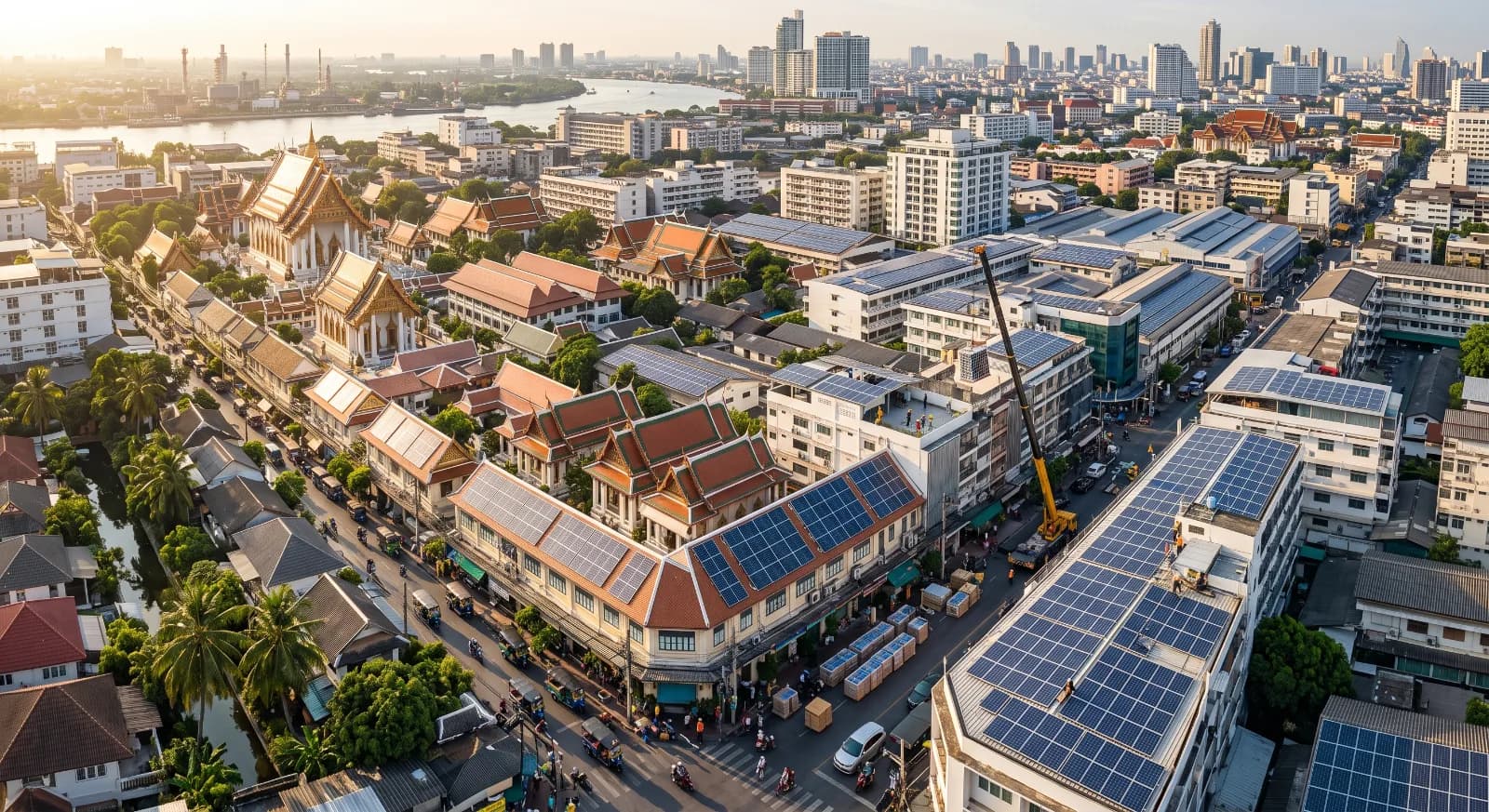
Thailand, the biggest buyer of Laotian power, is pivoting hard toward solar, planning to install 5 gigawatts of rooftop solar within a year and targeting nearly 51 gigawatts of new renewable capacity by 2037. Vietnam, by contrast, is importing more Laotian hydropower than ever — first-quarter imports rose almost 120% in 2026 — while also building its own wind capacity, including the region's first cross-border wind project, a 600-megawatt link that came online in late 2025.
Cambodia has imposed a 10-year ban on new dams along the Mekong's mainstream to diversify its energy mix even as it keeps importing Laotian hydropower, and Singapore has doubled its imports from Laos to 200 megawatts as part of the first four-country cross-border power trade in Southeast Asia. China, meanwhile, has become a major owner and financier of Laos's dams and recently opened a cross-border transmission line letting Laotian renewable power reach Chinese markets, though a $555 million dispute between a Chinese state-owned builder and Laos's utility shows the relationship isn't without friction.
Based on reporting by Tyler Roney for Dialogue Earth, via Eco-Business. Read the original: https://www.eco-business.com/news/explainer-how-laos-role-as-southeast-asias-battery-is-changing/
This article was produced with the assistance of AI tools and reviewed by an editor before publication.