The Iran war accelerated both clean energy and coal use worldwide
A regional war disrupted oil and gas shipping through the Strait of Hormuz, pushing some countries toward coal even as it accelerated the shift to electric vehicles and clean energy elsewhere.
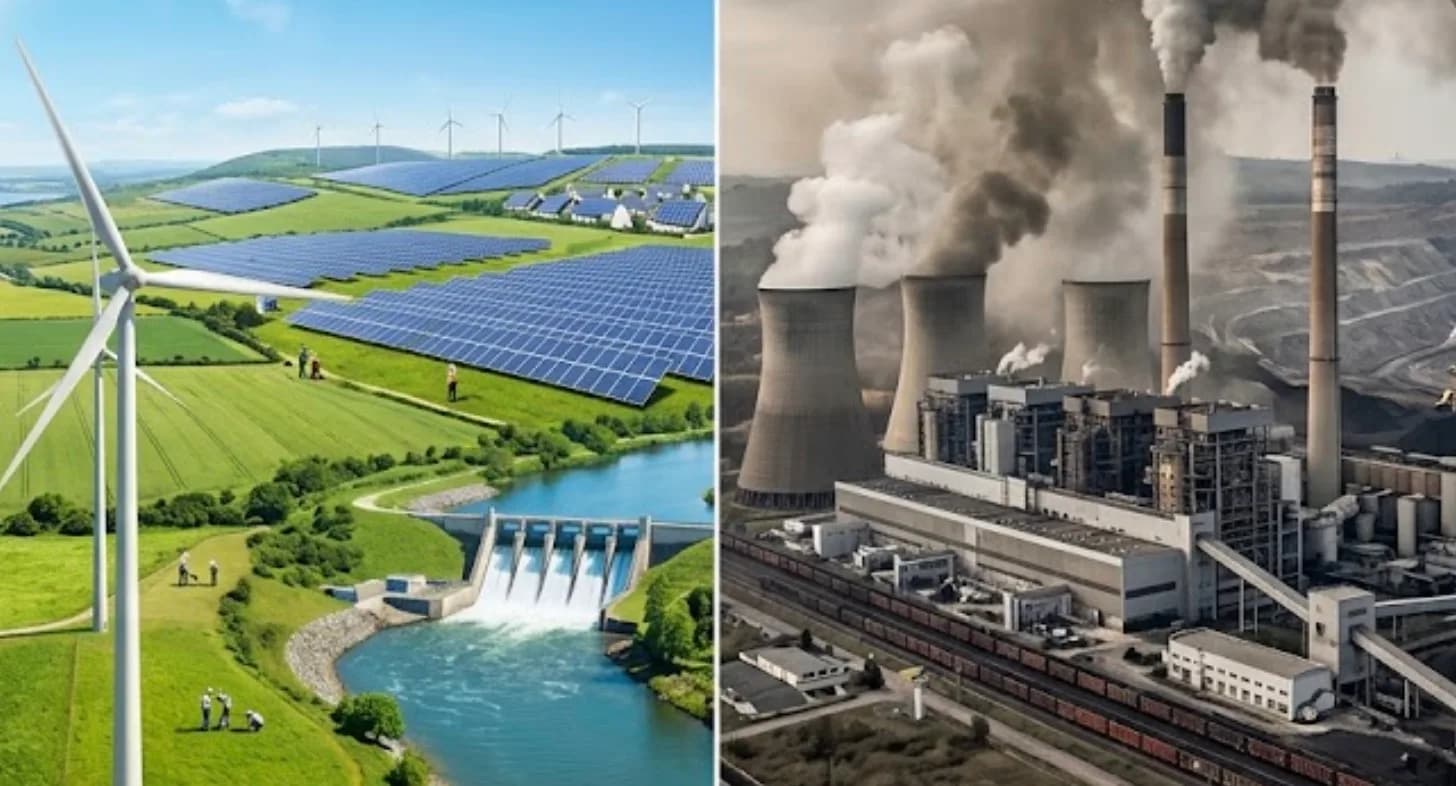
When the United States and Israel attacked Iran in late February, the global trade of oil and liquefied natural gas through the Strait of Hormuz nearly halted, sending fossil fuel prices spiking, particularly in Europe and Asia. The shock pushed some countries back toward coal: the International Energy Agency (IEA) reversed its earlier projection that global coal demand would decline this year, and now expects consumption to rise 1.2% to a new record high.
But the same crisis also accelerated a shift toward clean energy. Consumers and businesses in several countries turned to electric vehicles and renewables, and governments warmed to nuclear power. China illustrates the dynamic clearly: even as its coal use ticked up, the country's overall emissions fell 1% in the second quarter compared with a year earlier, as oil use for transportation dropped 16% and electric vehicle adoption hit record levels, with most new cars sold last month in China being electric or plug-in hybrid models. Australia, Indonesia, and several European countries also set new EV adoption records.
A new Carbon Brief analysis projects that global fossil fuel emissions will still decline slightly this year, largely because high oil prices are curbing consumption. Analysts say the two trends are unlikely to have equal staying power: the return to coal reflects countries leaning on existing infrastructure to weather an acute crisis, while the clean energy investments represent new, lasting capacity that will remain in place once the crisis passes.
Based on reporting by Dan McCarthy for Canary Media. Read the original: https://www.canarymedia.com/articles/fossil-fuels/the-iran-war-pushed-countries-toward-clean-energy-and-coal
This article was produced with the assistance of AI tools and reviewed by an editor before publication.