Georgia's electric vehicle manufacturing boom stalls as federal support disappears
Georgia lured EV and battery makers with billions in incentives. Now federal tax credit cuts and tariffs are pushing plants back toward hybrids.
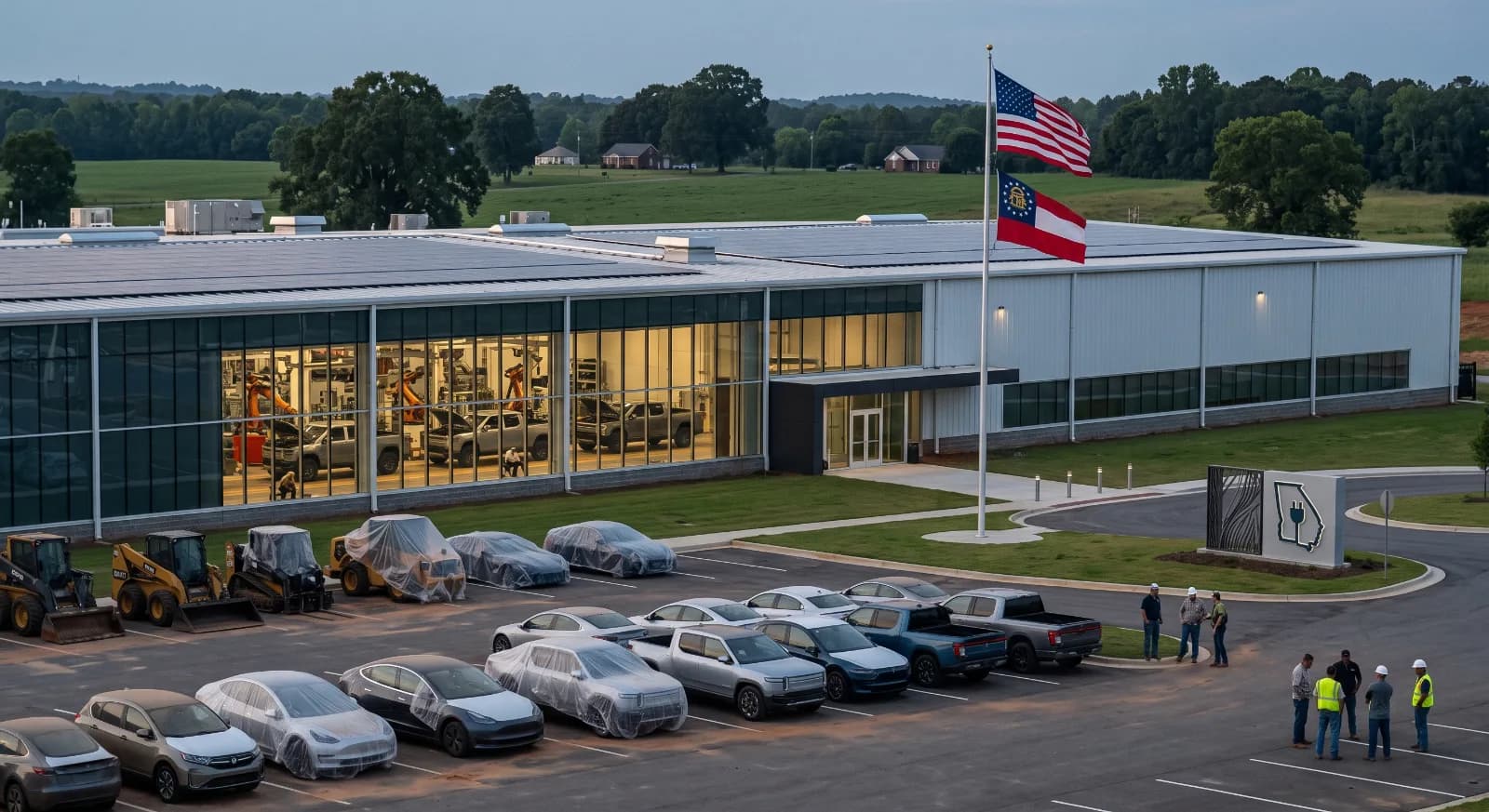
Georgia spent years positioning itself as a hub for electric vehicle and battery manufacturing, luring Hyundai, Kia, Rivian and battery suppliers with tax incentives and workforce training. That bet is now wobbling after the Trump administration eliminated federal EV tax credits, imposed tariffs on battery components, and loosened emissions rules.
Manufacturers are adjusting course rather than pulling out entirely. Kia's West Point plant is leaning harder into hybrid production alongside EVs as consumer demand cools; Hyundai's Savannah facility has made a similar shift. "We had a tax incentive credit that did go away," said Kia factory CEO Stuart Countess. "Sales were really moving in the right direction, but once it went away, it became a much different environment." Battery makers in the state are diversifying into grid-storage products to offset softer EV demand.
More than $4 billion in planned regional investment has been canceled or scaled back, though close to $74 billion in commitments remains in place. Georgia's lack of state-level EV purchase incentives, combined with a vehicle registration fee designed to offset lost gas-tax revenue, adds further headwinds. Private investment in charging infrastructure and utility partnerships is continuing regardless, and analysts describe the industry's adjustment as difficult but survivable.
Reporting by Emily Jones, Grist: https://grist.org/transportation/georgia-bet-big-on-ev-manufacturing-trump-pulled-the-plug/
This article was produced with the assistance of AI tools and reviewed by an editor before publication.