Latin America's state oil giants forge deep-sea alliance: Environment groups warn
Petrobras and Pemex sign a strategic pact for ultra-deepwater drilling, raising climate concerns — and setting a potential precedent for Türkiye's state energy model.
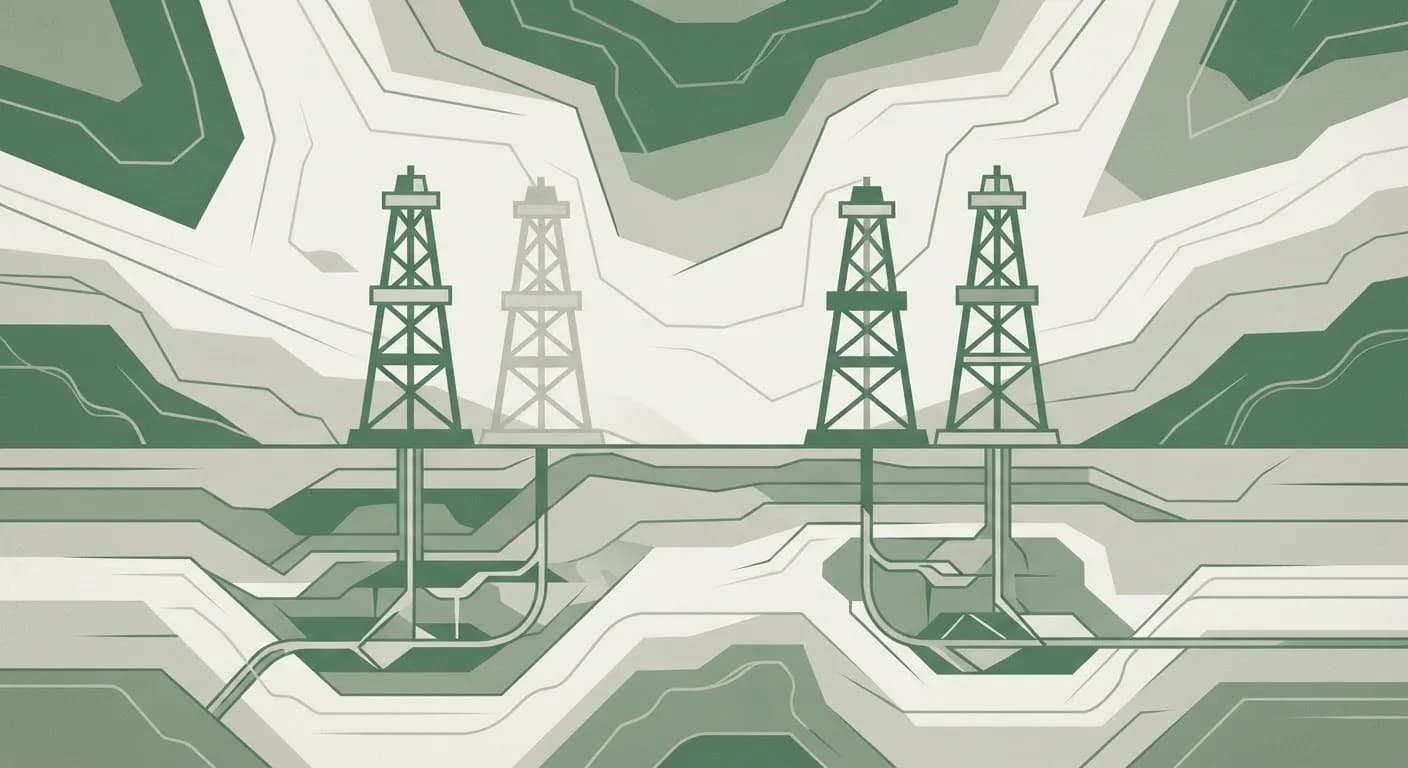
Two of Latin America's largest oil producers are joining forces in deep-sea exploration. A memorandum of understanding signed between Brazil's state company Petrobras and Mexico's Pemex strengthens the energy sovereignty visions of both countries, while environmental groups warn the deal will undermine climate goals.
Petrobras and Pemex signed a two-year strategic cooperation protocol in Rio de Janeiro on June 23. According to Petrobras, the agreement covers joint work in deepwater exploration and production, alongside refining, petrochemicals, fertilizer production and carbon capture technologies.
Technology transfer lies at the heart of the pact. Pemex says Petrobras will share the ultra-deepwater drilling technology and subsea engineering expertise it gained in Brazil's pre-salt basins to develop reserves in the Gulf of Mexico. The partnership aligns with the policy of both countries' left-leaning governments, which view state companies as engines of development.
Emphasis on 'energy sovereignty'
Mexican President Claudia Sheinbaum stressed that the deal does not mean handing over control of Pemex, arguing the central goal is to strengthen energy sovereignty. The rhetoric marks a shift from Mexico's 2013 energy reform, which opened areas to the private sector, back toward a state-to-state cooperation model.
But the agreement drew sharp criticism from environmental groups. More than ten NGOs, including Greenpeace Mexico and CEMDA, said deepwater drilling increases the risk of accidents and endangers Mexico's 35-percent emissions reduction target under the Paris Agreement.
There is scientific backing for those concerns. Research data cited by Mongabay shows that for every 30.5 meters of additional well depth in the Gulf of Mexico, the risk of safety and environmental incidents rises by an average of 8.5 percent.
A possible precedent for Türkiye
This Brazil-Mexico development is closely watched from the perspective of Türkiye's energy strategy. Turkish Petroleum Corporation (TPAO) is pursuing a similar model in the Sakarya Gas Field in the Black Sea: developing deep-sea capabilities to reduce technological dependence on global oil majors and achieve energy independence through state hands.
This 'South-South' cooperation between Petrobras and Pemex could serve as a precedent for technology transfer models TPAO might build with other state energy companies in the future. Sharing technical knowledge gained in ultra-deep water drilling offers an alternative roadmap for state firms facing similar geological challenges.
As the memorandum is non-binding, the timeline for concrete investment decisions and joint projects remains unclear. How the differences between Brazil's pre-salt geological formations and the salt blocks of the Gulf of Mexico will affect technical success is also among the unanswered questions.
This article was produced with the assistance of AI tools and reviewed by an editor before publication.