A single Amazon highway could determine the rainforest's future
Brazil is paving a 540-mile road through largely untouched rainforest, and scientists warn it could unlock a wave of deforestation far beyond the road itself.
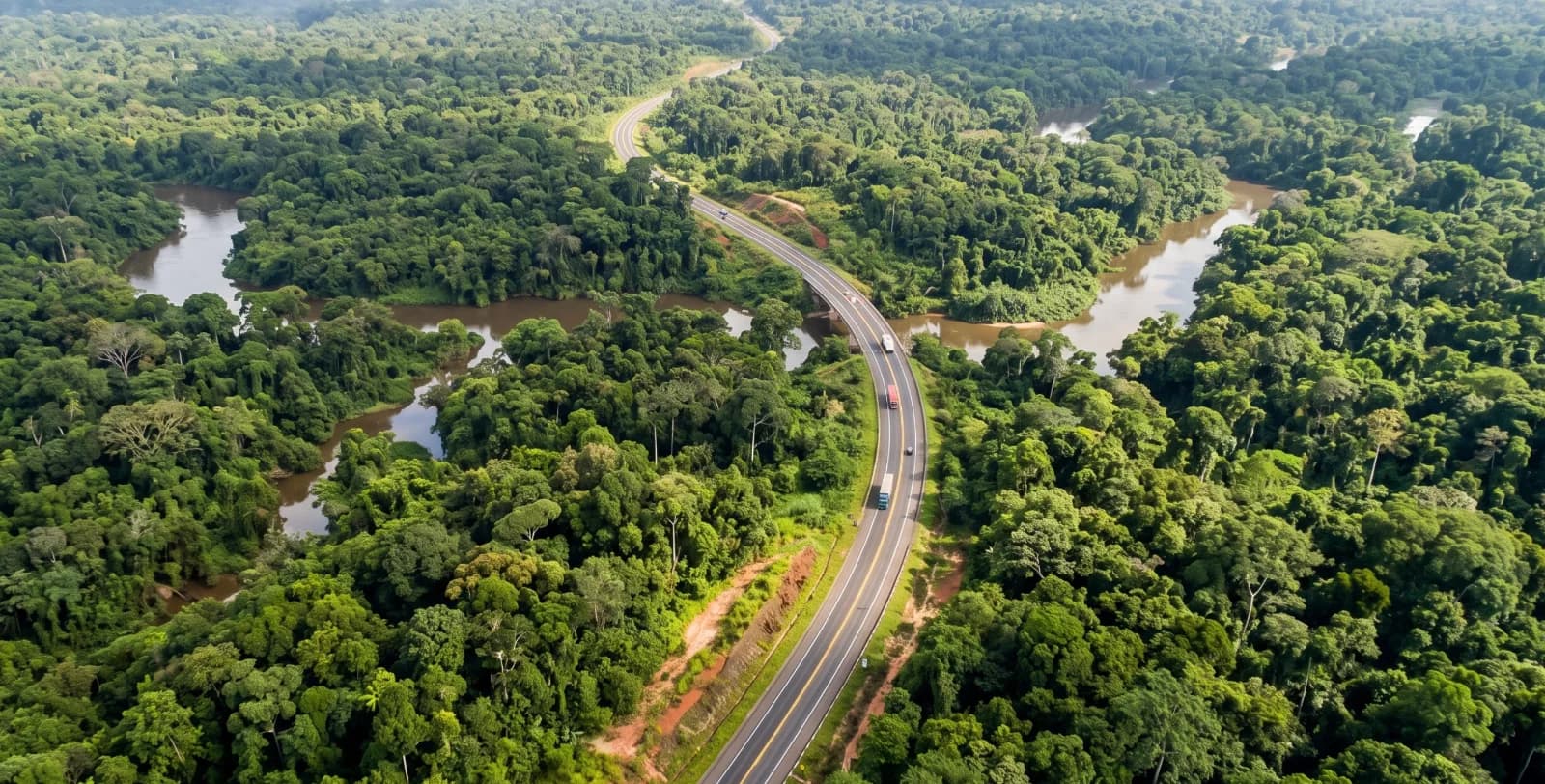
Brazil is paving BR-319, a 540-mile dirt highway cutting through one of the Amazon's most intact rainforest regions, reigniting a long-running fight between regional development and environmental preservation. For residents like truck driver Carlos Santos, the road is essential infrastructure: "Why doesn't the state of Amazonas have the right to be connected to the rest of the country?" he asked.
Researchers warn the consequences would reach far beyond the pavement itself. Paving the route could trigger an estimated 8 billion tons of carbon dioxide in regional emissions by 2050, roughly four times what unpaved conditions would produce, largely because it would connect largely untouched forest to deforestation hotspots to the south. Scientists describe a likely "fishbone phenomenon," in which illegal side roads branch off the highway to enable logging and land-grabbing deeper into the forest.
The road's path also cuts through territory home to Indigenous communities: 69 territories in the impact zone house more than 18,000 people across 13 ethnicities, and there's no evidence the legally required consultations took place before paving began. President Lula has announced four protected areas covering 2,600 square miles along the route, well short of the 14,000 square miles reportedly promised in earlier closed-door meetings.
Based on reporting by Joaquim Salles for Grist. Read the original: https://grist.org/economics/a-trip-down-the-road-that-will-determine-the-fate-of-the-amazon-br-319-brazil/
This article was produced with the assistance of AI tools and reviewed by an editor before publication.