Honeybees push wild pollinators off flowers, British study finds
Researchers say a boom in hobby beekeeping is adding direct competition for bumblebees, solitary bees and hoverflies.
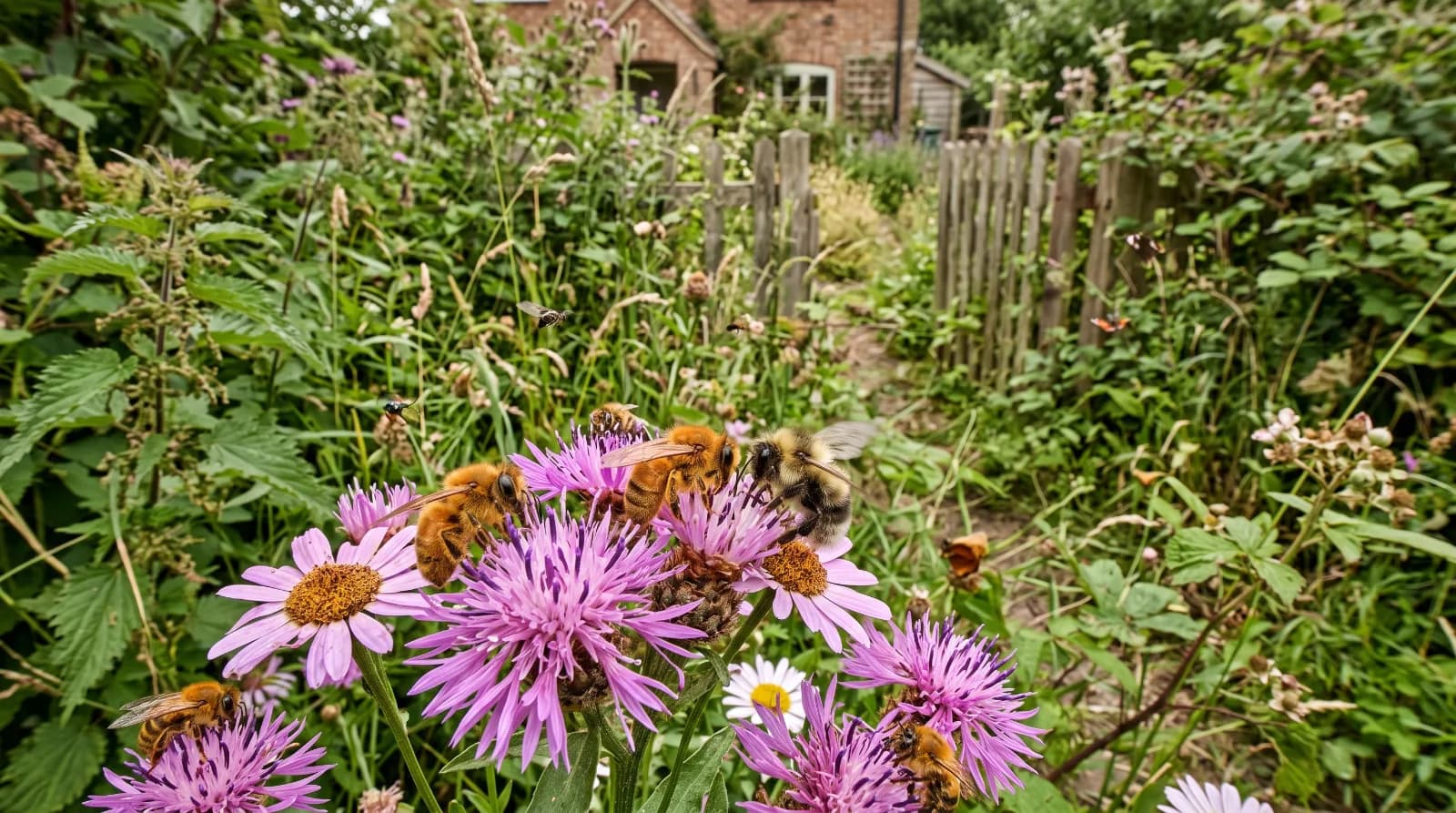
Honeybees are outcompeting wild pollinators by bumping into them, pushing them off flowers and chasing them away, according to a study by researchers at Anglia Ruskin University reported Saturday by Rebecca Ratcliffe in the Guardian.
Over two years in Cambridgeshire, England, the researchers recorded 300 encounters among insects foraging on bramble and ivy near honeybee colonies. Honeybees started and won most of the contests, and areas with more honeybees had fewer bumblebees, solitary bees and hoverflies. Other insects actively avoided honeybees in 28.4% of interactions on bramble and 35.6% on ivy.
Earlier research suggested honeybees compete mainly by using up nectar and pollen. "That's important because, of course, it means that the wild pollinators are facing a challenge from both those types of competition from honeybees," said Victoria Buckle, the study's lead author and a doctoral researcher at the university.
The number of registered beekeepers in Britain more than doubled from 19,000 in 2010 to 47,000 in 2025, according to the National Bee Unit, as "save the bees" campaigns caught on. Competitive encounters rose at higher temperatures, probably as nectar dried up, and Buckle said such clashes are likely to grow more frequent as British summers warm. Only the ivy bee was seen holding its own, chasing honeybees away.
This brief is based on an article published Oct. 17, 2026, by Rebecca Ratcliffe in the Guardian. Read the original: https://www.theguardian.com/environment/2026/oct/17/honeybees-are-barging-aside-wild-pollinators-in-hunt-for-pollen-and-nectar-study-finds
This article was produced with the assistance of AI tools and reviewed by an editor before publication.