India's tiger recovery is now colliding with the people who live beside them
India's tiger population has rebounded to roughly 3,682 animals, but with a third now living outside protected reserves, a wave of attacks in Karnataka is testing how conservationists manage the spread into farmland.
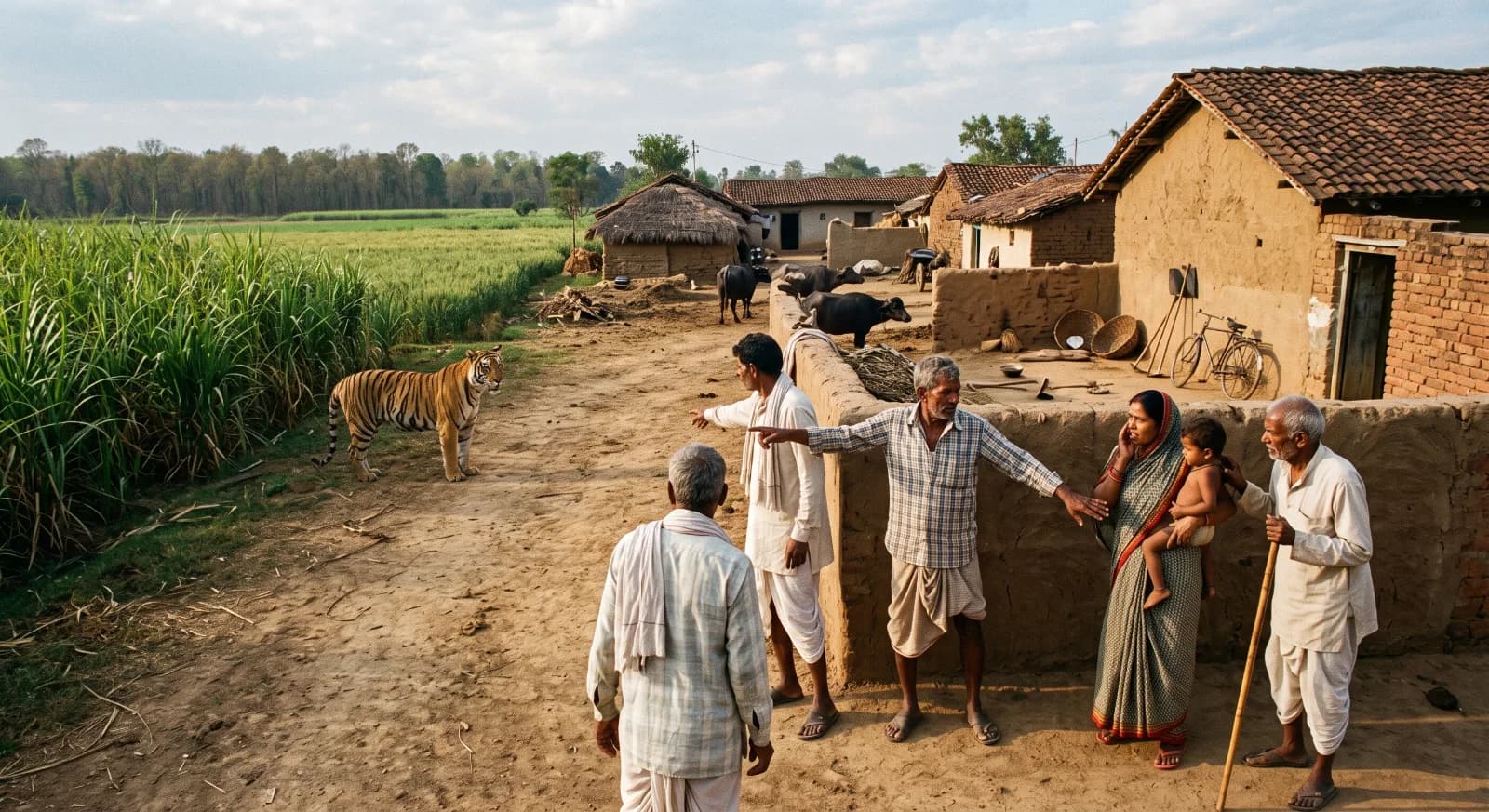
According to a piece published Thursday by Arathi Menon on Mongabay, India's wild tiger population has rebounded to an estimated 3,682 animals as of the last official count in 2022, cementing the country's status as home to the majority of the world's wild tigers. But the same recovery means an estimated 30-35% of India's tigers now live outside the country's 58 protected reserves, pushing more of them into contact with farming communities.
Karnataka has become a flashpoint: Mongabay's reporting describes a farmer left permanently blind after a tiger attack in October 2025, and another farmer killed in a separate attack weeks later. State forest officials captured 30 tigers across Karnataka between September 2025 and May 2026, mostly relocating them back into forest, though experts quoted in the piece are divided on whether repeated capture-and-release addresses the underlying problem.
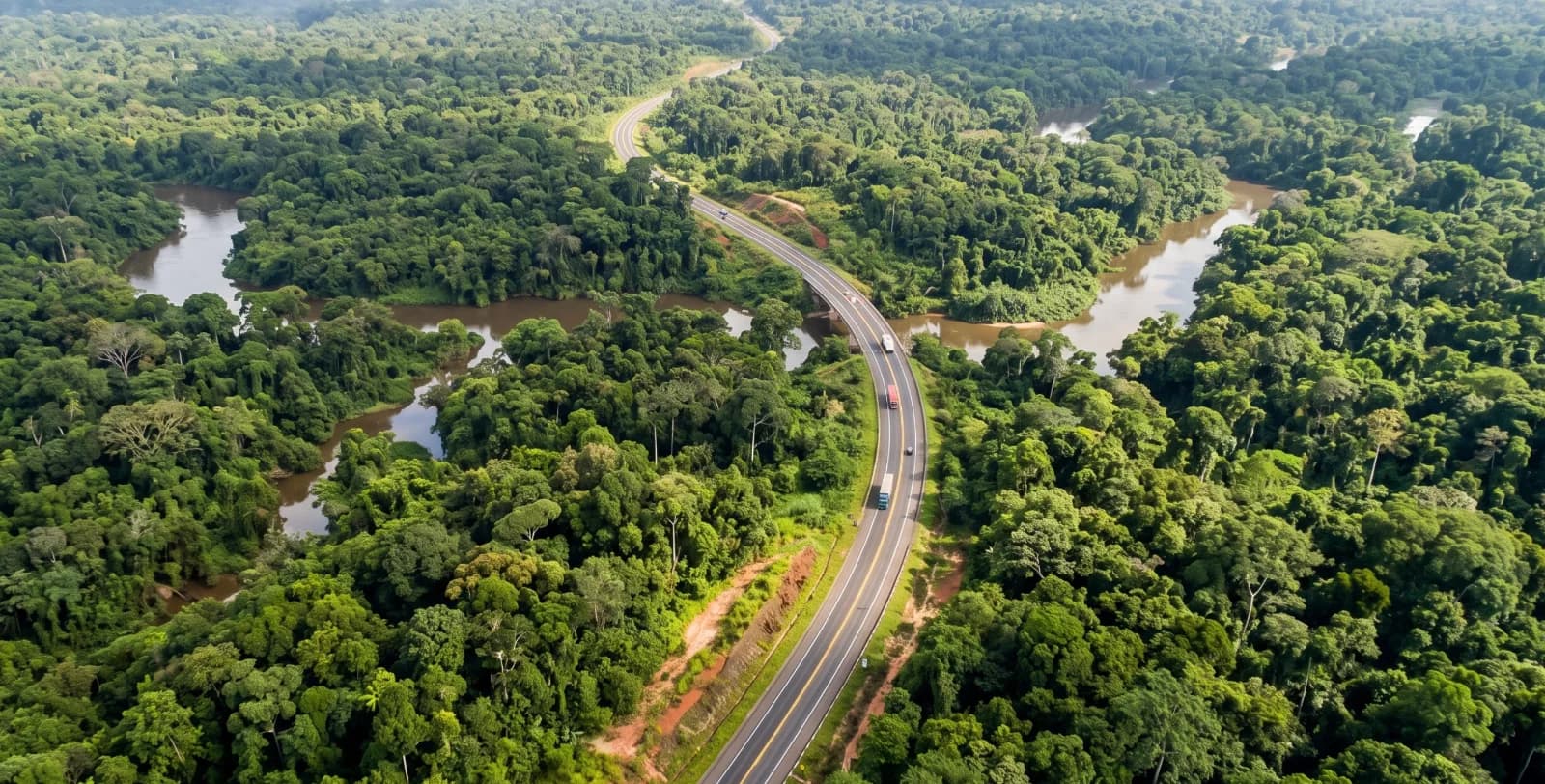
Some researchers argue the fix lies in connecting protected areas with wildlife corridors so dispersing tigers can move between habitats without crossing farmland, while others question whether conservation interventions have pushed tiger numbers past what the landscape can naturally support. The consensus in the piece is that coordinated, regional management, rather than reactive capture-and-relocation alone, will determine whether the recovery can coexist with the people living alongside it.
Arathi Menon, Mongabay: https://news.mongabay.com/2026/09/indias-tiger-success-brings-a-new-challenge-living-alongside-the-big-cats/
This article was produced with the assistance of AI tools and reviewed by an editor before publication.