Routine oil slicks cover an ocean area larger than Mongolia each year, satellite analysis finds
Ships, mostly cargo vessels and tankers, account for 81% of the slick area, much of it from oily waste dumped at sea.
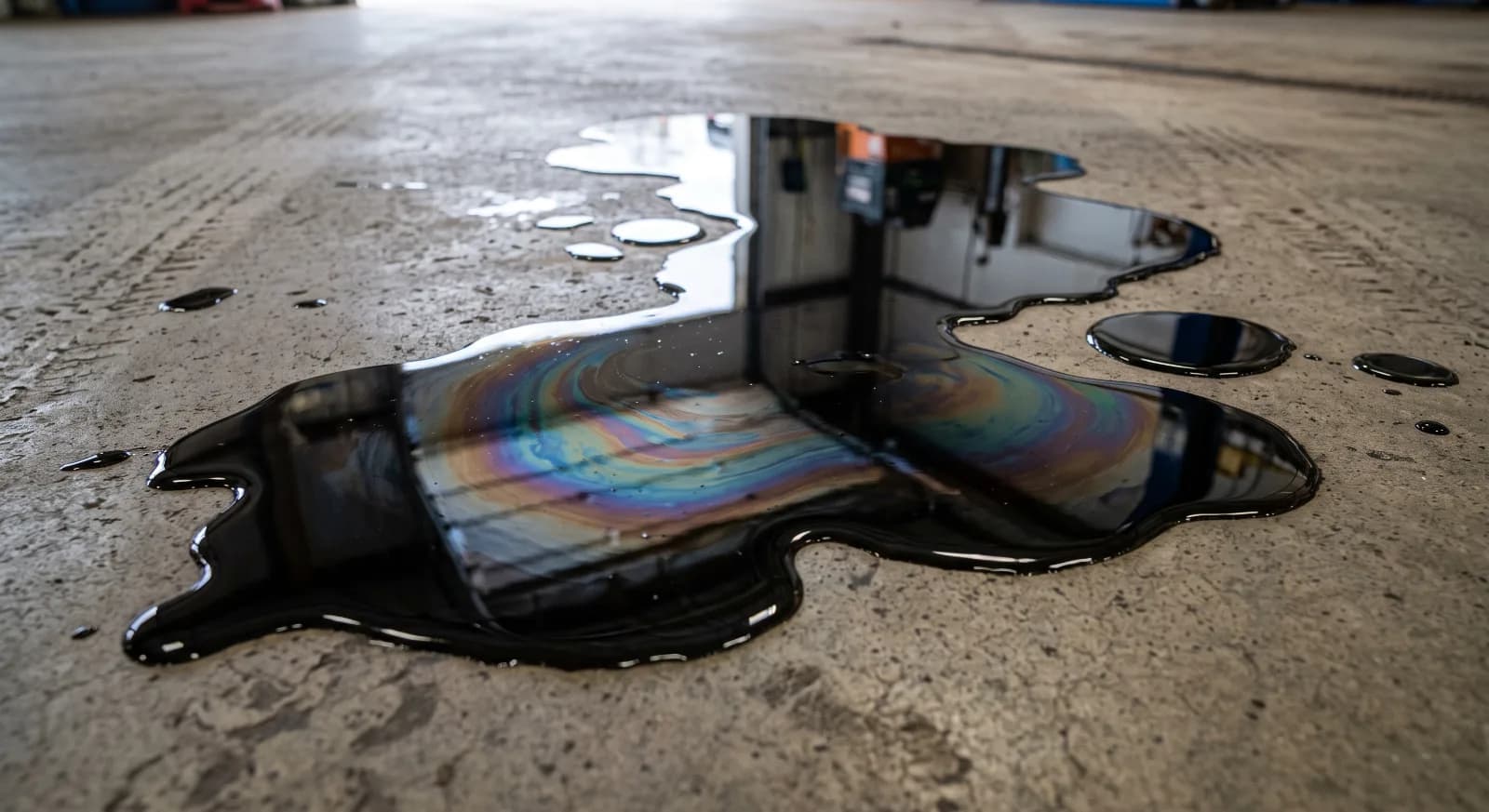
Oil slicks from ships and offshore oil platforms cover about 1.6 million square kilometers of ocean surface every year, slightly more than the area of Mongolia, according to a report by SkyTruth, a nonprofit based in the United States.
SkyTruth combined satellite imagery, machine learning and vessel tracking data from 2023 to 2025. It found that vessels, mainly cargo ships and tankers, were responsible for 81% of the slick area, while oil infrastructure accounted for 18%.
Much of the pollution comes from bilge waste, the oily water that builds up in ships' hulls, and most discharges break the International Convention for the Prevention of Pollution from Ships (MARPOL), which allows no more than 15 parts of oil per million parts of water. Disposing of the waste properly means detouring to an equipped port, which can cost a large ship tens of thousands of dollars a day.
"Any vessel operator could be pretty confident that nobody was going to notice," said John Amos, SkyTruth's chief executive. "We can see it now."
Indonesia had the most verified slicks, 823, followed by Malaysia with 214; the two countries share the busy Strait of Malacca. SkyTruth found ownership records for nine of 20 repeat polluting vessels, including two belonging to Indonesia's PT Waruna Nusa Sentana and two to Sea Transport Services Nigeria Ltd. Neither company responded to Mongabay's requests for comment. Amos said the global figure is likely an underestimate.
This brief is based on reporting by Shanna Hanbury, published Oct. 2, 2026, in Mongabay. Read the original: https://news.mongabay.com/short-article/2026/10/satellite-data-reveal-massive-scale-of-routine-oil-pollution-in-oceans-see-the-map/
This article was produced with the assistance of AI tools and reviewed by an editor before publication.