A dispute over IPCC science is dividing the world's largest climate NGO coalition
A fight over how fair the IPCC's climate models are to developing countries is straining unity inside the world's largest coalition of climate NGOs.
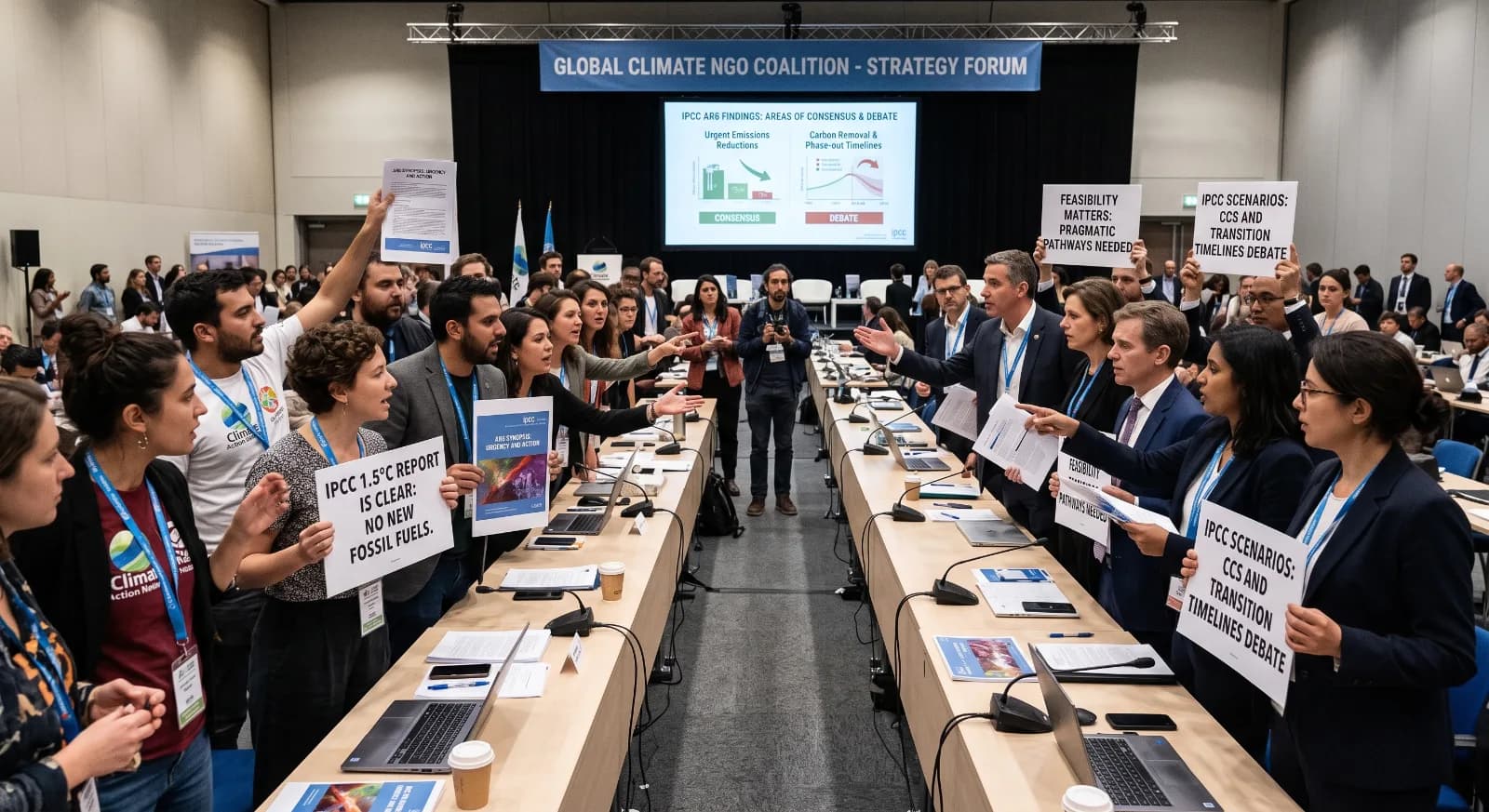
A rift over how the UN's climate science body produces its findings is creating tension inside Climate Action Network International (CAN), the world's biggest coalition of climate NGOs, according to reporting by Climate Home News.
At June's UN climate talks in Bonn, a coalition of countries calling itself "Friends of Science" warned that climate science was under attack — a veiled reference to fossil-fuel-dependent states accused of undermining the Intergovernmental Panel on Climate Change's (IPCC) authority. Fiji's lead negotiator went further, criticizing CAN's daily conference newsletter for downplaying the issue.
The disagreement centers on two linked fights: whether the IPCC's assumptions unfairly reflect Global North research at the expense of developing countries, and whether its next major assessment report will be finished in time to feed into the UN's 2028 global stocktake. India, Saudi Arabia, China, Russia and Kenya have resisted a faster timeline, arguing it would burden countries with fewer resources.
CAN's leadership has engaged with arguments that question the IPCC's equity, drawing criticism from some veteran climate scientists and activists — including from Pacific nations — who worry the network is diluting its traditional role defending the science underpinning UN climate policy.
Based on reporting by Matteo Civillini for Climate Home News. Read the original: https://www.climatechangenews.com/2026/09/09/as-science-comes-under-attack-at-un-talks-climate-movement-splits-over-how-to-respond/
This article was produced with the assistance of AI tools and reviewed by an editor before publication.