Mayors of Paris, Milan, and Phoenix unite to combat escalating urban heat
In a collaborative piece for The Guardian, the leaders of three major cities detail how they are exchanging policies and redesigning urban infrastructure to protect residents from the deadliest climate hazard.
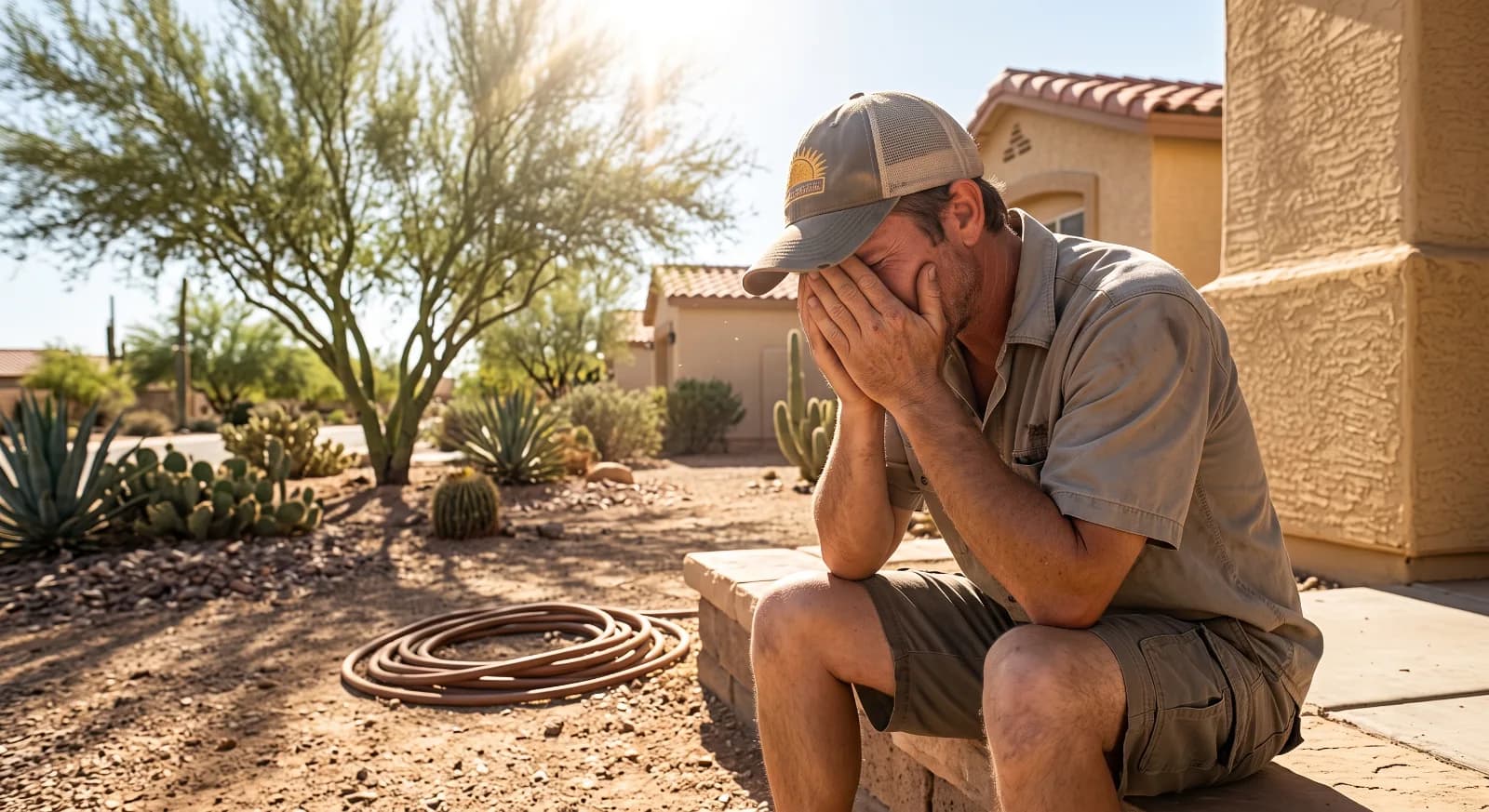
As extreme summer temperatures transition from rare weather anomalies to a recurring reality, city governments are being forced to rethink their approach to public safety. In a recent opinion piece published by The Guardian, Emmanuel Grégoire, Giuseppe Sala, and Kate Gallego—representing Paris, Milan, and Phoenix, respectively—detailed their shared efforts to adapt to the climate crisis. The officials highlighted that extreme heat is now the deadliest climate hazard, claiming over 500,000 lives globally each year. The threat is severely magnified in urban environments, where paved surfaces and buildings trap heat during the day and release it at night, providing little relief for vulnerable populations.
To combat these systemic challenges, historic European capitals like Paris and Milan are adopting strategies from Phoenix, a city with decades of experience managing desert climates. The Guardian piece outlines how Phoenix treats extreme heat as a foundational element of its urban planning, including a mandate that requires 75 percent shade coverage in new developments located in high-traffic pedestrian areas. The Arizona city has also treated more than 300 kilometers of streets with cool-surface coatings and enforces strict regulations requiring landlords to keep indoor temperatures at or below 28 degrees Celsius (82 degrees Fahrenheit). These proactive measures, alongside a 24-hour cooling and resource center, helped Phoenix reduce heat-related emergency calls by 20 percent during its record-breaking summer of 2024.
Paris has similarly introduced aggressive adaptation measures to shield its residents. The French capital has established over 1,400 designated cooling spaces, ensuring that every Parisian is no more than a seven-minute walk from relief during a heatwave. Local authorities also extend the operating hours of parks and public pools during temperature spikes, while deploying a network of 27,000 climate volunteers to distribute adaptation information directly to communities.
The leaders concluded their message by calling for a shift in how societies view climate resilience. The mayors argued that planting trees, redesigning streets, and upgrading buildings should no longer be viewed merely as environmental policies, but rather as essential investments in public health and local economic stability.