The US is losing its long war against wildfire
Aggressive fire suppression has left US forests overloaded with fuel, driving ever-larger megafires even as prevention budgets and staffing fall short.
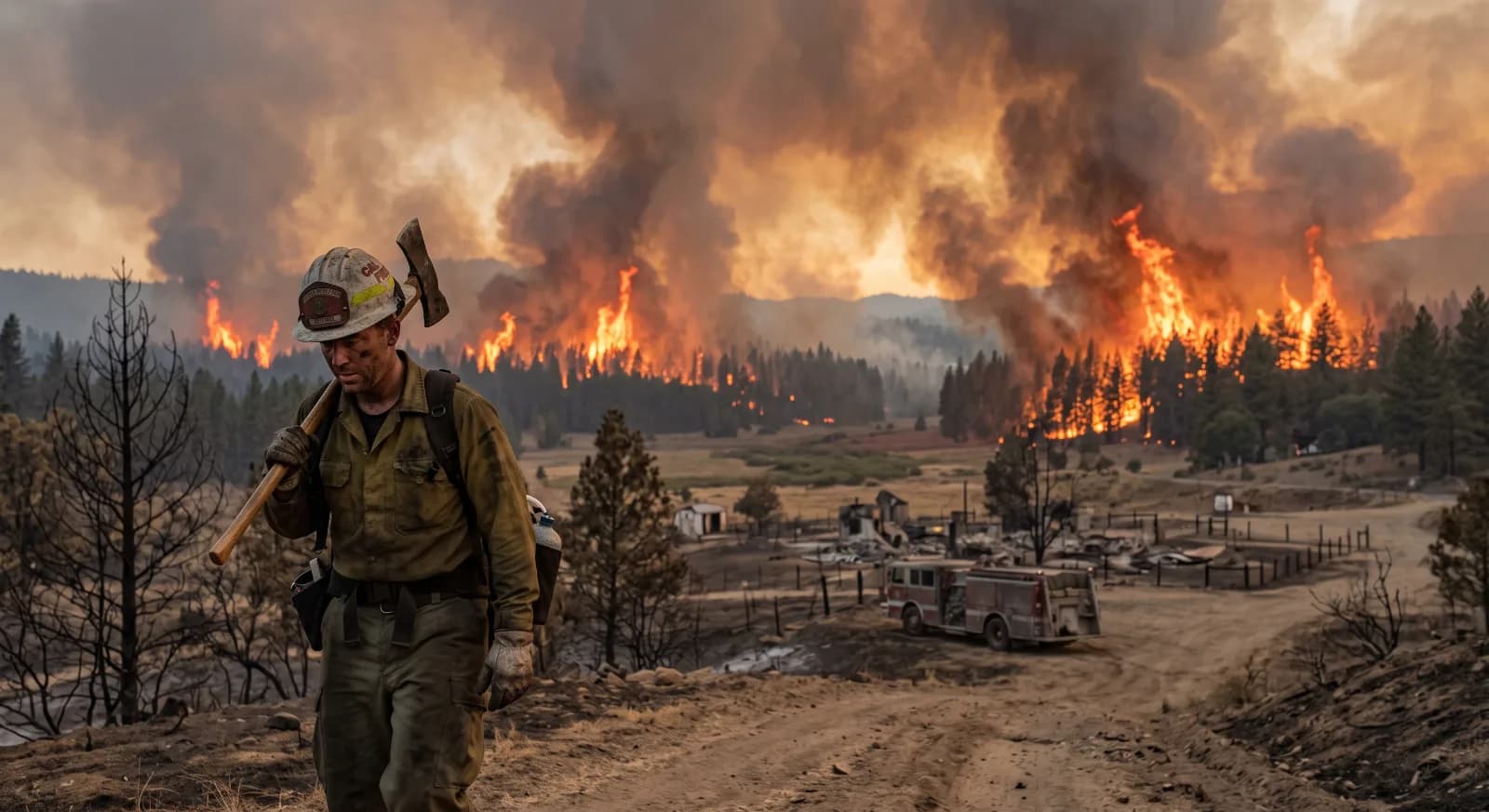
Decades of aggressive wildfire suppression in the United States have left forests dangerously overloaded with fuel, setting the stage for ever-larger and more destructive fires, according to a Grist investigation. In 2026 alone, more than 53,000 wildfires have burned over 8 million acres — roughly 3 million acres above the decade's average — while 73% of the Intermountain West faces severe to exceptional drought.
Federal firefighters successfully contain 98% of wildfires, but the remaining 2% that escape cause the vast majority of the damage: the largest 1% of fires account for more than a quarter of all acreage burned nationwide. Annual federal wildfire spending has ballooned from about $450 million in the 1990s to more than $3 billion today, even as preventive prescribed burning has declined, falling from 2.2 million acres in 2024 to 1.2 million in 2025. Over a quarter of Forest Service firefighting positions were unfilled as of mid-2025.
"We keep putting out fires and we're going to get bigger and hotter fires. It's just true. It's physics and chemistry," said Matt Hurteau, a forest ecologist at the University of New Mexico. A 2013 Forest Service panel reached a similar conclusion, warning that current policy is "self-selecting for fires we cannot control."
Reporting by Mark Betancourt for Grist. Source: https://grist.org/extreme-weather/america-is-losing-its-war-against-wildfire/
This article was produced with the assistance of AI tools and reviewed by an editor before publication.